
Cat People
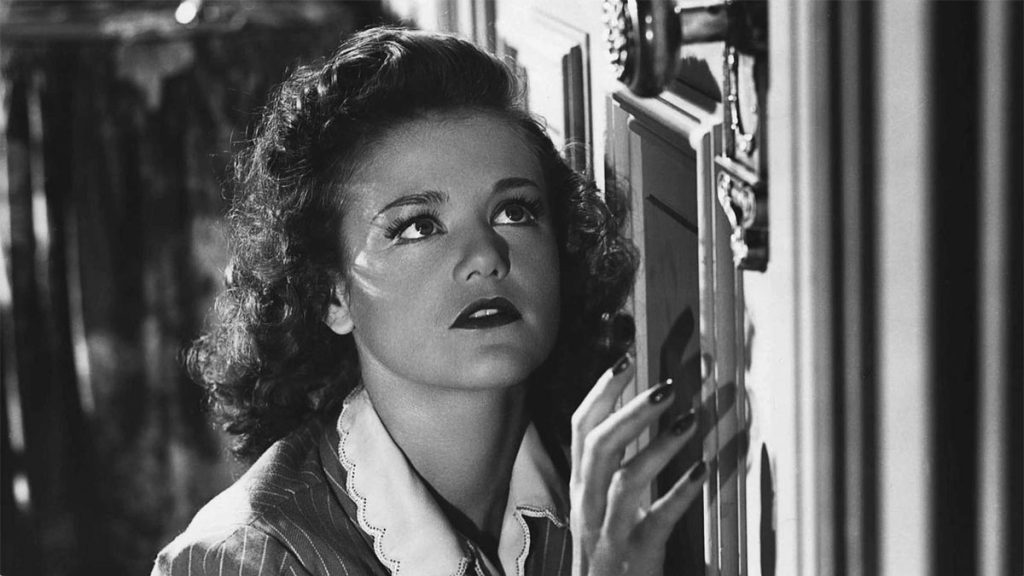
On one level, this is a story of longing and projection, of strange love between opposites.
The Most Dangerous Game
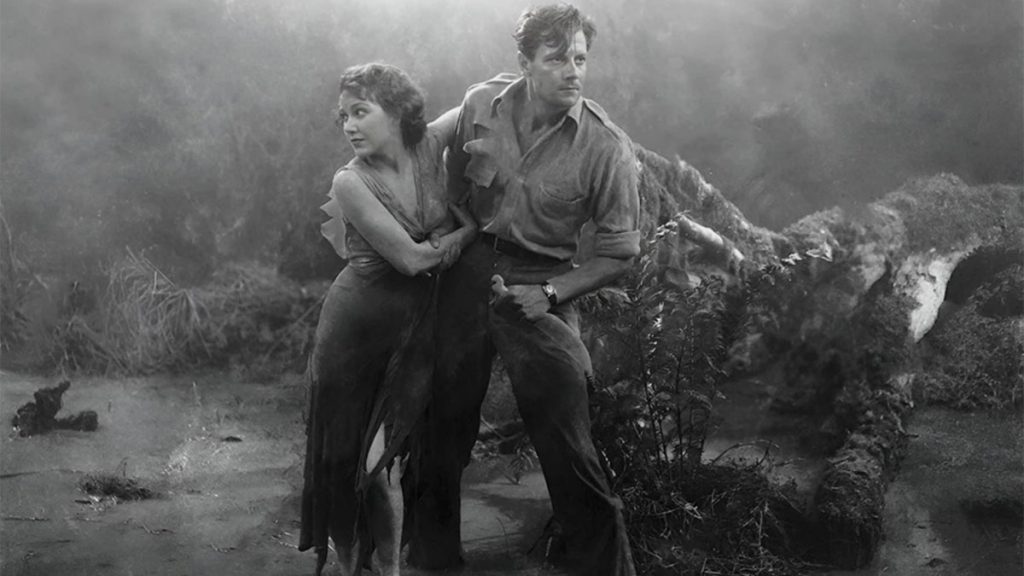
A formative horror-watching experience from the horror medium’s own formative years, 1932’s The Most Dangerous Game is the kind of film that resonates in a viewer’s mind like some acquired primal memory.
Beware, My Lovely
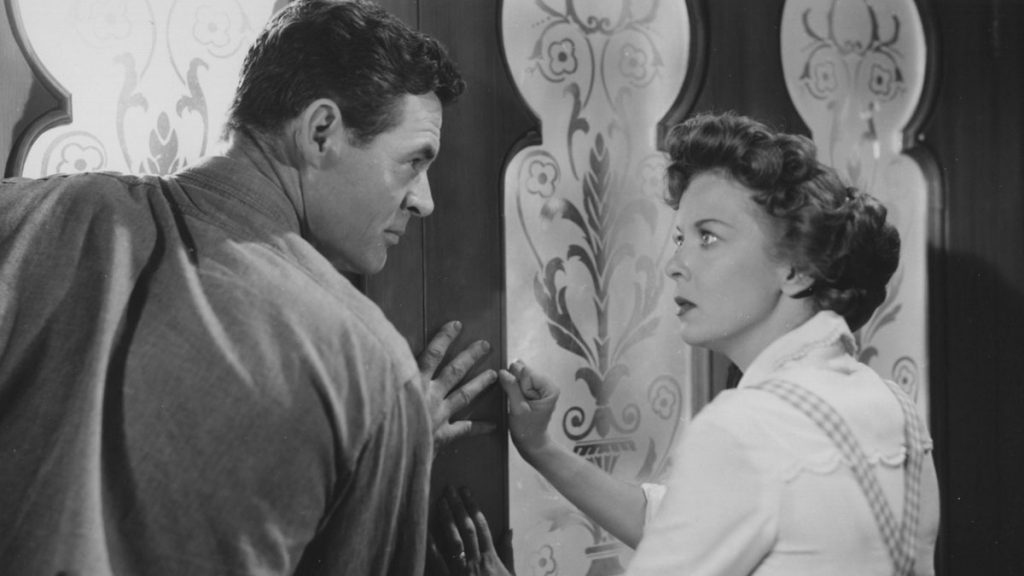
Christmas in the company of people we call friends and/or those with whom we share a last name can often feel like Christmas in isolation or alongside strangers.
Them!
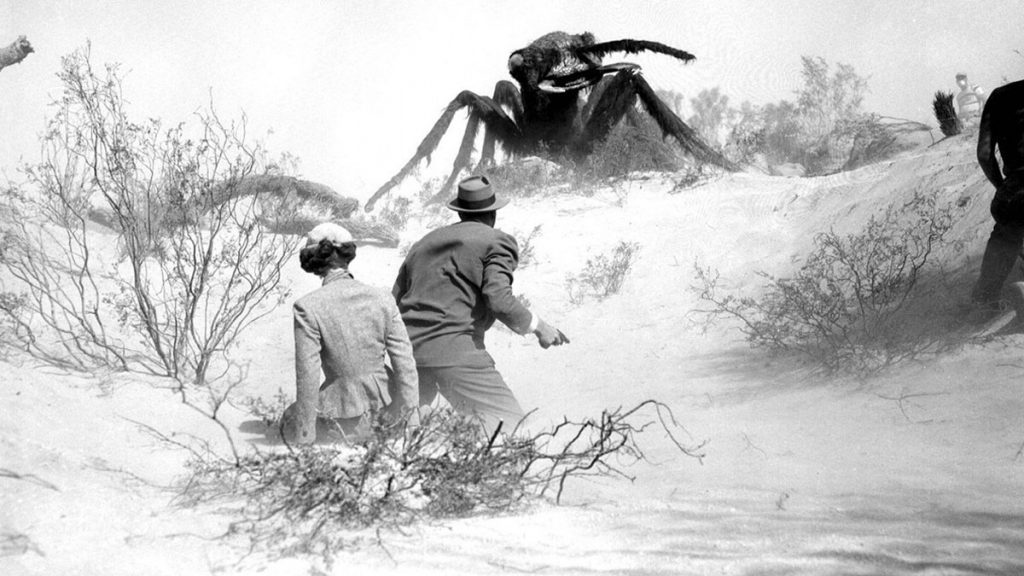
You’d be challenged to find a more gripping, immersive first 15 minutes from a horror movie than what we get with Them! (1954).
Frankenstein Meets the Wolf Man
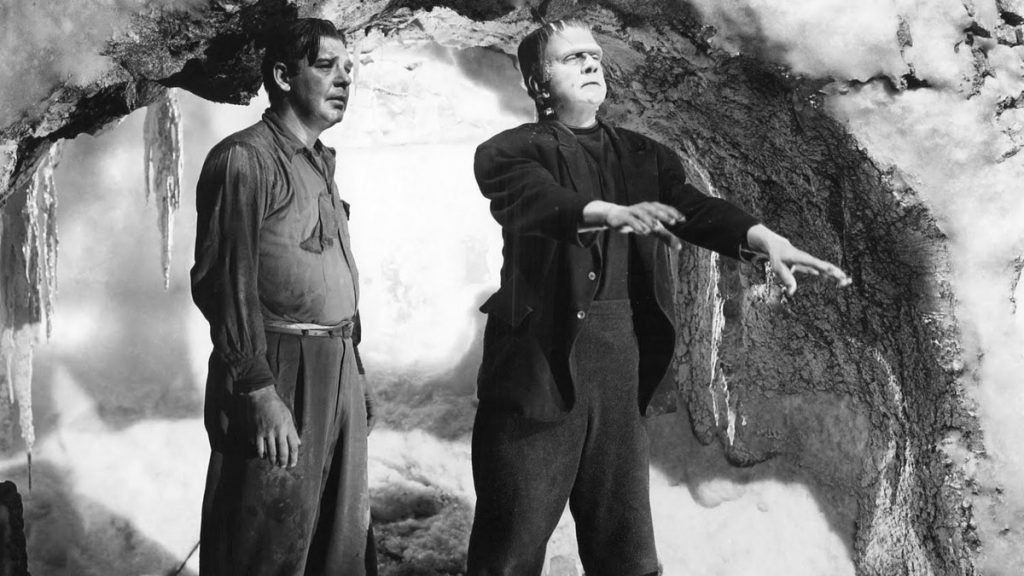
If you want to have some fun with your fellow horror film aficionados, ask them what they’d rate as the single most effective scene for mood and atmosphere in any of the Universal monster movies.
The Black Cat
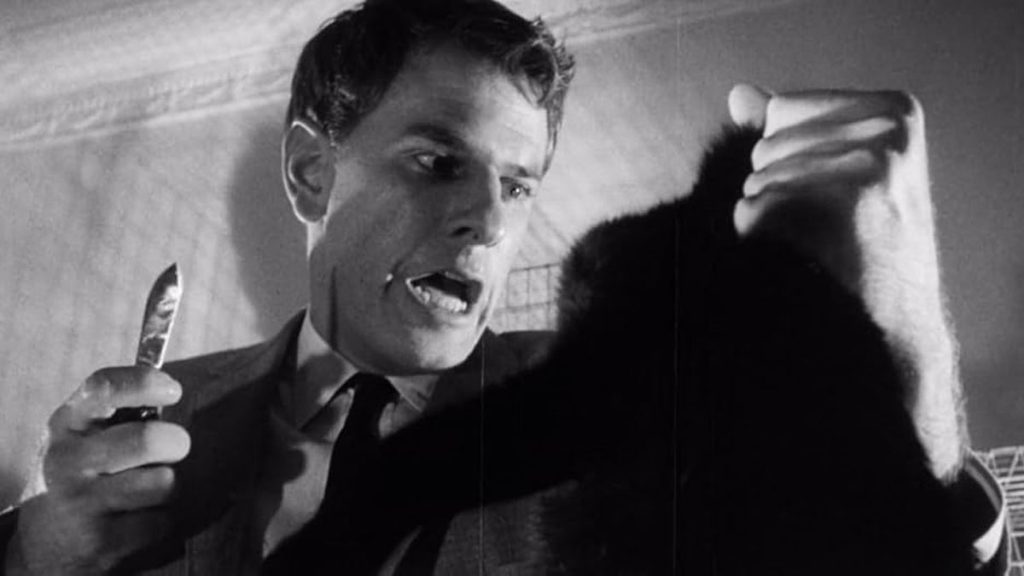
Despite what’s tantamount to a subgenre of macabre offerings suggesting otherwise, Edgar Allan Poe isn’t an author whose work readily lends itself to the cinematic medium.
The Leopard Man
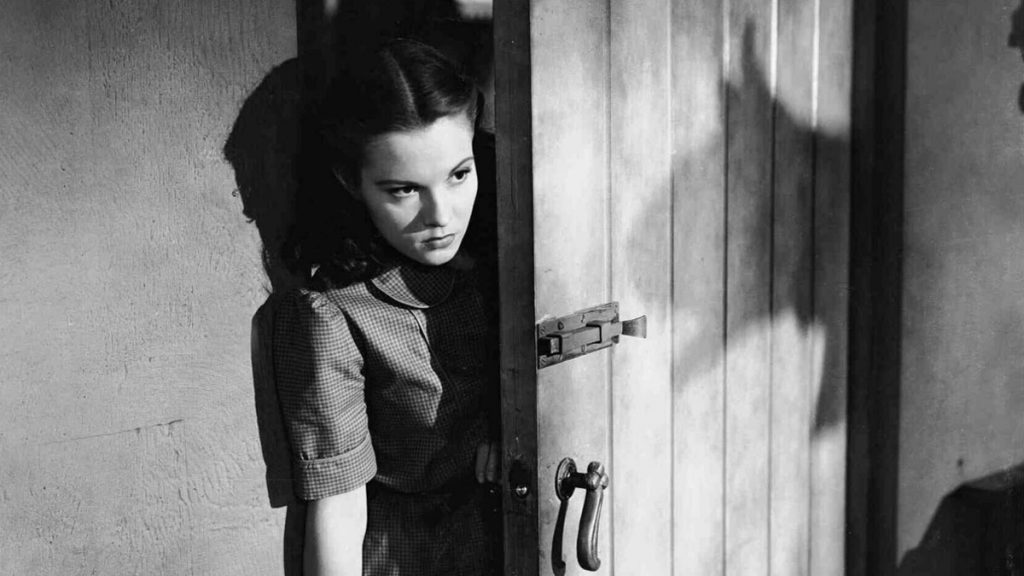
A lipstick and makeup mirror slip from fear-frozen hands, a sack spills corn flour along a grassy trail, a ball floats atop a geyser of water, the rattlesnake whir of castanets, blood seeps in from below a heavy door: The Leopard Man (1943), the third in auteur producer Val Lewton’s cycle of low-budget horror films for RKO, and his last collaboration with the great B-movie director Jacques Tourneur, brims with such haunting, often eerily erotic sounds and images.
The Invisible Man
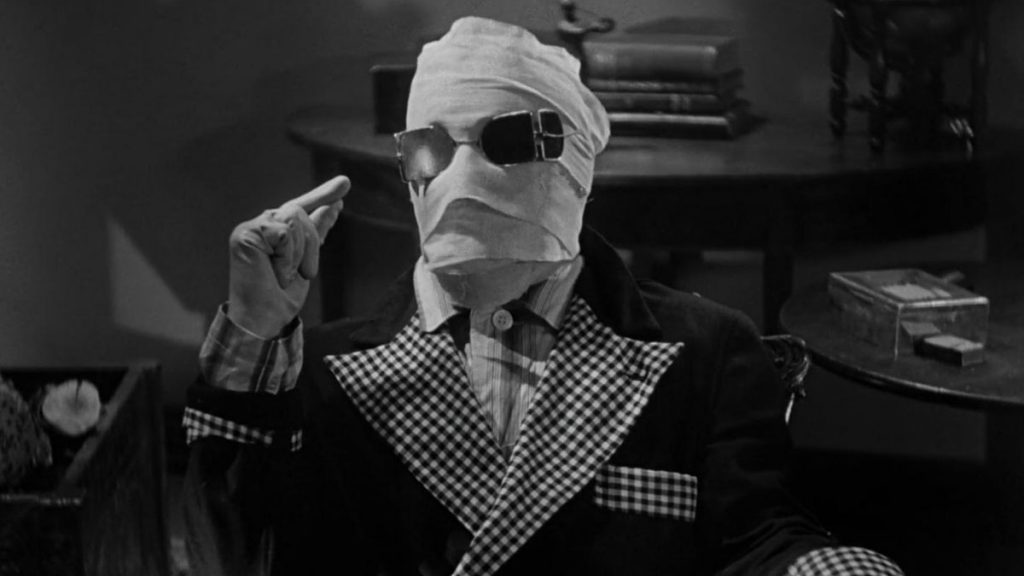
The early monstrous mass of Universal bogeys put down roots in the pop-culture zeitgeist as deep as any to be found in the most ancient burial grounds.
The Hound of the Baskervilles
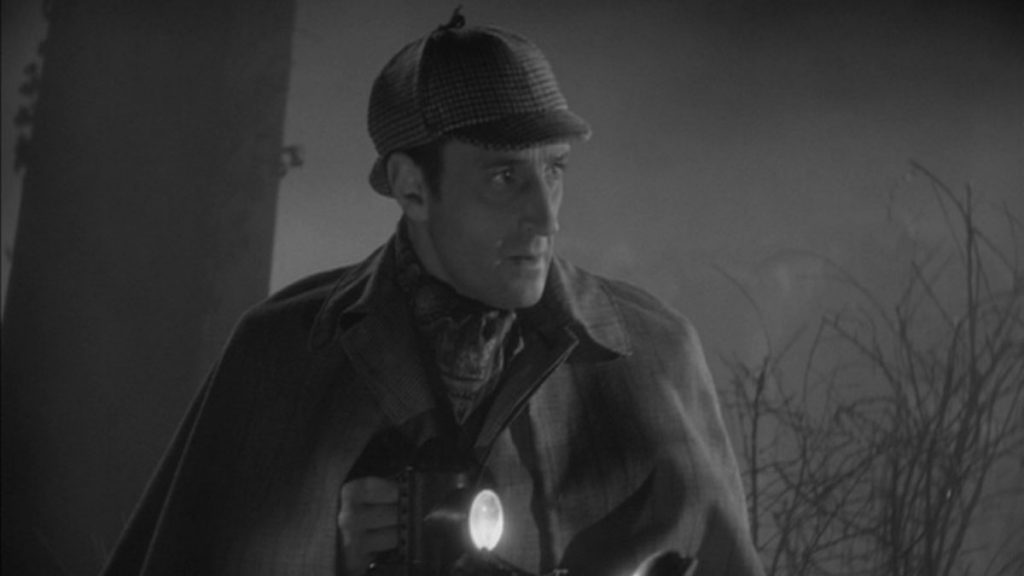
Arthur Conan Doyle’s Sherlock Holmes stories have never lacked for adaptations, with The Hound of the Baskervilles—novel number three out of four featuring the famed detective and his Boswell—being among the most tempting to tackle.
White Zombie
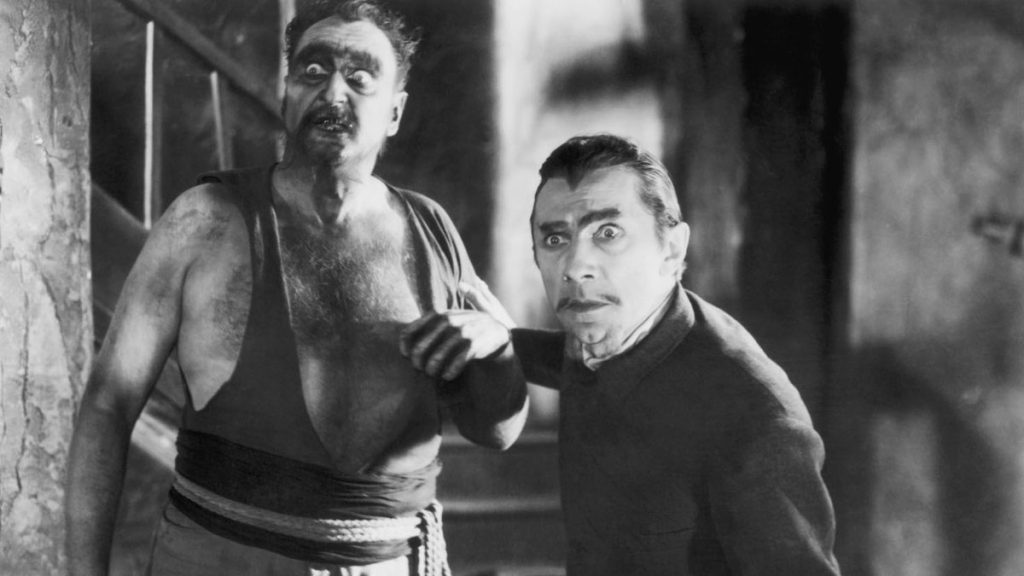
Many horror fans most associate Bela Lugosi with his distinctive voice. We need only to think of myriad memorable lines from Dracula alone, delivered with an intonation that no one else could supply, and the relevant scene plays before our mind’s eye.