Horror initiates are sometimes thrown into the deep end of the fright pool scarcely before they can keep themselves afloat, as with the child whose father says, “Sure, you can watch with me,” resulting in everyone being up past their bedtime as dad consoles a girl who saw A Nightmare on Elm Street before she ought to have. In other instances, they enter the shallow end, arms encased in floaties after the exploratory toe has probed for danger. We may ask, what is the chief aim of a horror film? Is it primarily to scare us? That seems limiting, this idea of a one-size-fits-all objective. But the effective horror film must draw us in. Whether we’re initiates or veterans of many terror tours of duty, immersion is key. Without it, we’re passing by the pool, and the film has failed.
April Fool’s Day (1986) numbers among those movies that make for a nice coming-of-age horror experience. Back when sleepovers commenced with someone’s parent carting the assembled gang to the local video store to pick the VHS treats for the night, the film was a staple selection and doubtless holds a special place in many hearts because of it. We’re loyal to our rite-of-passage horror movies, whether they’re Abbott and Costello Meet Frankenstein or some adaptation of “The Legend of Sleepy Hollow.” They’re akin to pals, and we enjoy catching up with them when we can, which is why April Fool’s Day has been rewatched its fair share of times.
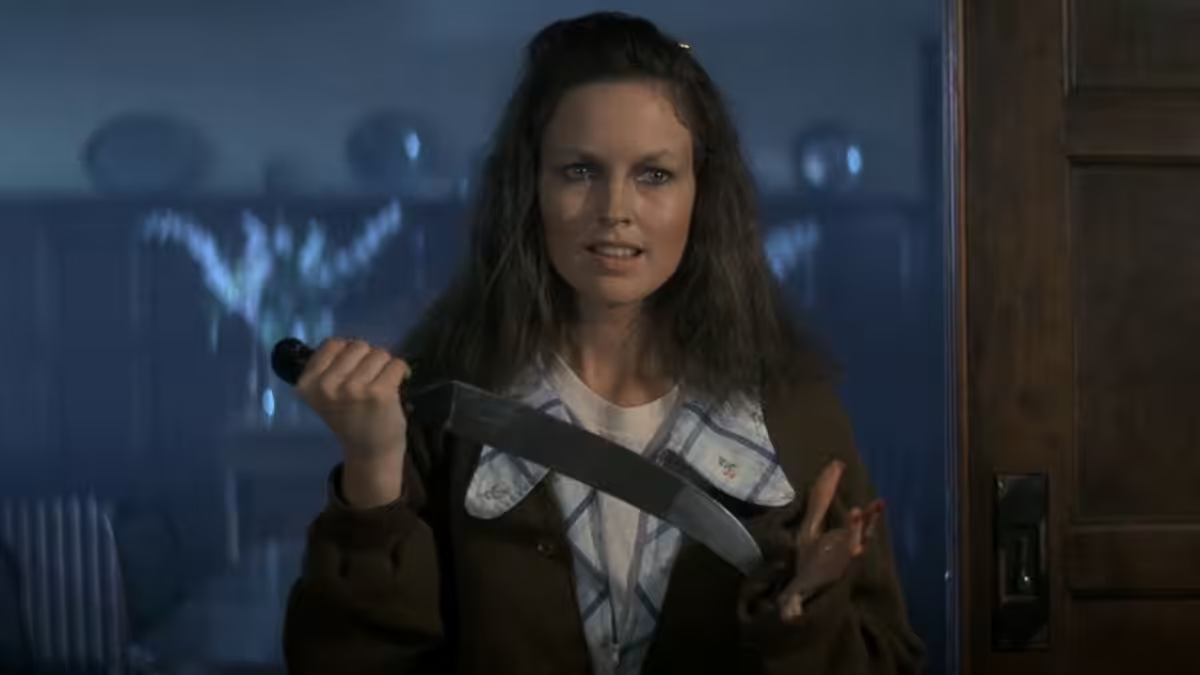
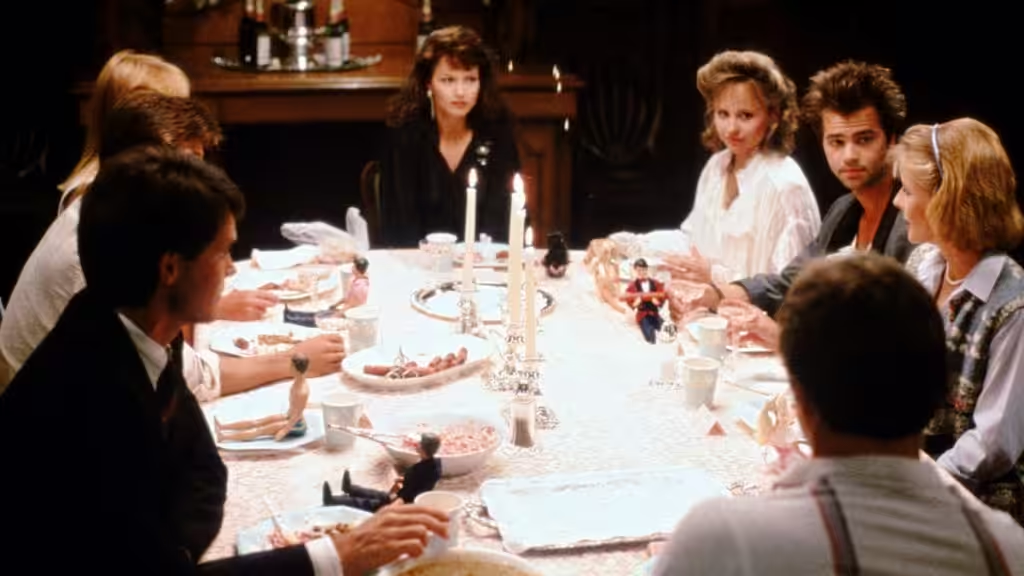
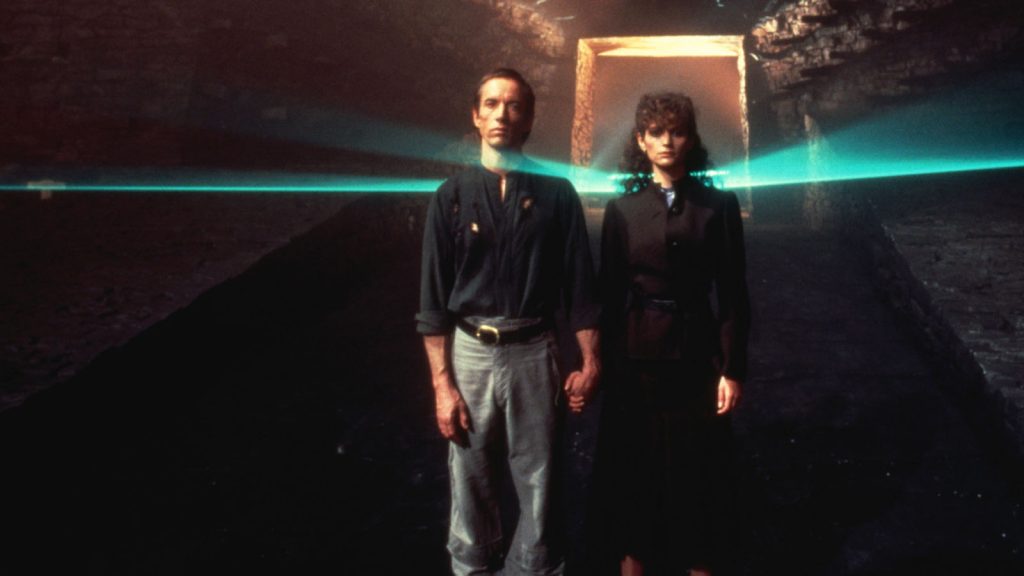
The film is about a bunch of college friends, and the rich girl of the group has a sprawling family vacation house on an island. They hop aboard the ferry for some early spring and practical joke–centric fun in an isolated spot where hearty boning attempts are made, because it can’t be any other way in a movie like this, even if it is pretty tame stuff. Hijinks ensue right from the ferry ride, and it’s fun and games until a crewman’s eye pops out, but as that can’t be helped and the kids made it ashore regardless, the good times are ready to roll.
The plot cribs heavily from Agatha Christie’s And Then There Were None. Deborah Foreman plays Muffy, the rich girl (and Buffy, but we’ll leave you to untangle how that works), and the rest of the group is about what you’d expect. It’s a nondescript lot, which can be fine. (We do have Thomas F. Wilson, who’d later play the gym teacher in Freaks and Geeks, as basically the college version of the guy who’d become that gym teacher, which makes for its own hilarity.) Most people are nondescript, and those we went to school with are no different. The point is that it’s a believable friend ensemble. This is a vacation. You don’t need to be “on,” you just need to chill and hang out—and, oh yeah, do your jokes if you got ’em and stay alive.
The result is that we’re able to term April Fool’s Day something we’re rarely able to with 1980s horror movies, and that’s winsome. The humor can induce eye rolls, but cast your mind back through your presumed greatest hits of wit from those days of your own life, and you probably aren’t feeling a sudden surge of confidence as a result in the here and now, like you’re Ralph “I still got it!” Malph.
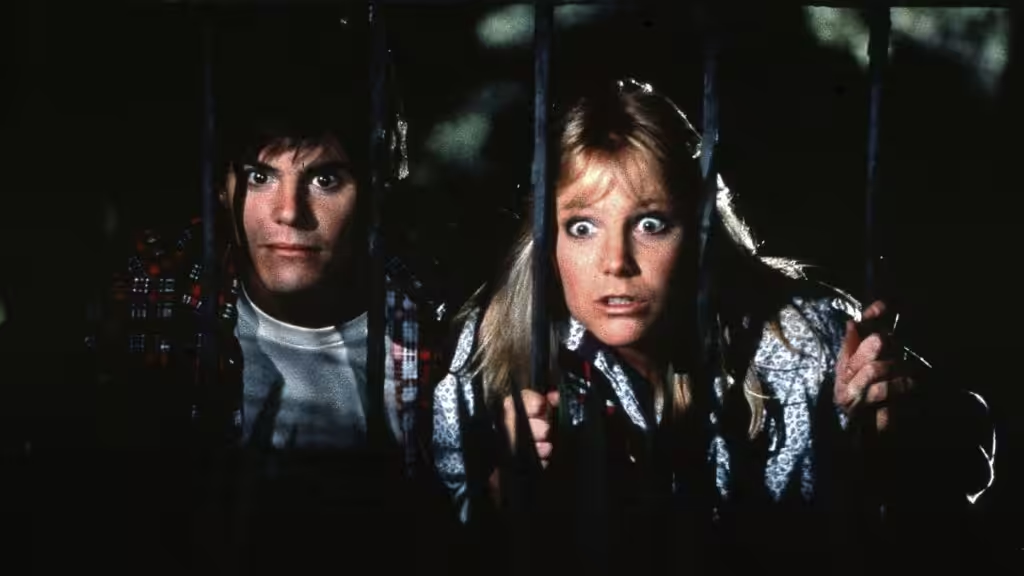
Director Fred Walton cedes the floor to the realism of group dynamics in their mix of coyness, innocence, yearning, insecurities, overcompensations, and affections, while handing over the rest of the room to the ropy aspects of the plot. The kids are getting bumped off, and no matter whether you’ve attained confirmation that your crush digs you back, that’s a bummer, man.
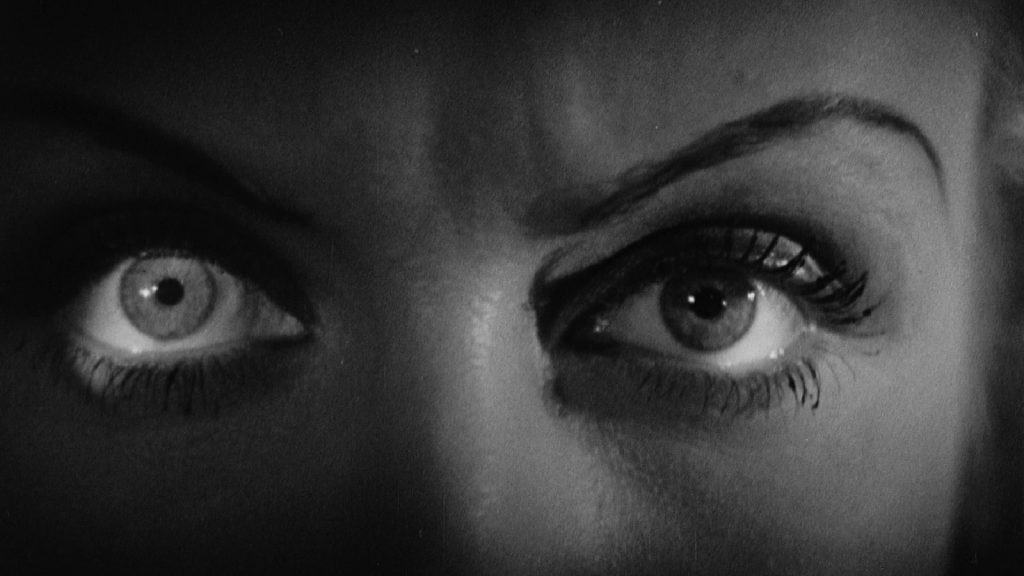
The ending of this film irked some viewers who felt “gipped” (we’ll keep it ’80s-style) as some viewers were similarly perturbed by the reveal at the close of Mark of the Vampire (1935), though it likely pleased a higher percentage given that the ending makes it easier to keep coming back to April Fool’s Day for the latest rewatching. It’s hard for a movie to double as cinematic comfort food when you’re left with a pile of the bodies of dead children at its end. And if you’re really that aggrieved, then the joke truly is on you, because we all know the title of the damn thing. 🩸
is the author of eight books, including the story collection, If You [ ]: Fabula, Fantasy, F**kery, Hope, a 33 1/3 volume on Sam Cooke’s Live at the Harlem Square Club, 1963, Meatheads Say the Realest Things: A Satirical (Short) Novel of the Last Bro, and a book about 1951’s Scrooge as the ultimate horror film. His work has appeared in Harper’s, The Atlantic, Rolling Stone, The New York Times, Vanity Fair, The Daily Beast, Cineaste, Film Comment, Sight and Sound, JazzTimes, The New Yorker, The Guardian, and many other venues. He’s completing a book called And the Skin Was Gone: Essays on Works of Horror Art. His website is colinfleminglit.com, where he maintains the Many Moments More journal, which, at 2.7 million words and counting as of autumn 2023, is the longest sustained work of literature in history.

“There’s more than one way to lose your heart,” states the catchiest of the many taglines attached to the original, and best, Valentine’s-themed horror film.
BY LAURA KERN | February 14, 2025
The aim of slashers—at least in their early days—was to shock. They weaponized their newness and how they broke with films of the past, in which the gory details of riven bodies...
BY COLIN FLEMING | December 25, 2025
There are horror movies in which Christmas is present, as if incidentally, and there are horror movies in which Christmas is the crux. The latter often feature a gimmick.
BY COLIN FLEMING | December 23, 2024
This pre-Code offering packs a lot of story into its typically brisk running time, with several plot threads weaving together a (not always successful) tapestry of spooky and criminal doings.
READ MORE >
BY ANN OLSSON | Month 00, 2021
In what could be the fastest-resulting rape revenge movie, a drunken lout brutally forces himself on Ida, the young woman who doesn't return his affections, during a party over Labor Day.
READ MORE >
BY LAURA KERN | Month 00, 2021
Beast is a lot of movies in one package - fractured fairy tale, belated-coming-of-age story, psychological drama, regional horror film - but above all it's a calling card for its leading lady, Jessie Buckley.
READ MORE >
BY LAURA KERN | Month 00, 2021