
The Masque of the Red Death
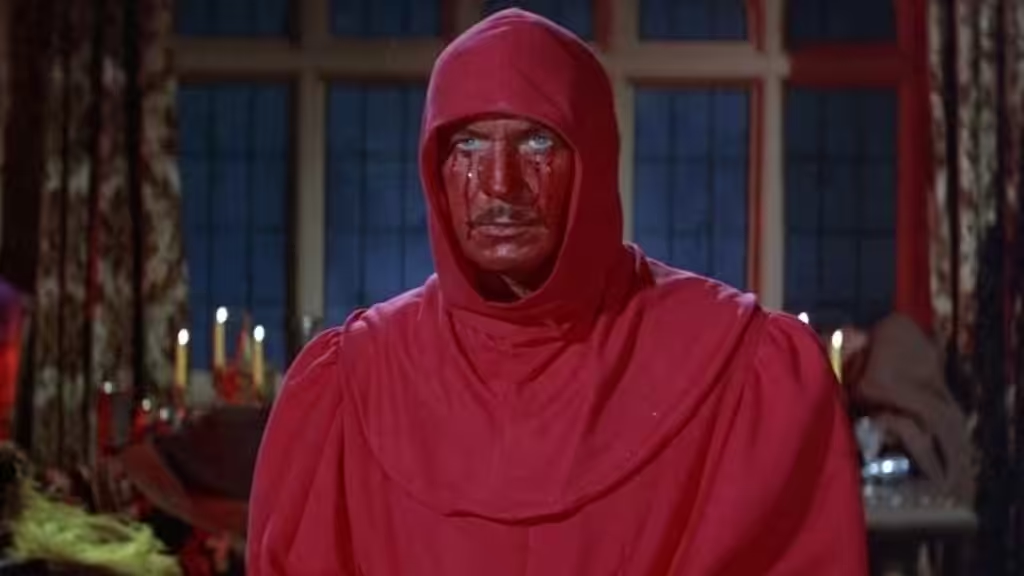
Smart, sinister, colorful (back to this in a minute), nuanced, expansive, repellent, beckoning, dastardly, placating, and inspiring, Roger Corman’s 1964 The Masque of the Red Death isn’t only the apotheosis of Edgar Allan Poe adaptations, but of mid-1960s horror as well.
The Pit and the Pendulum
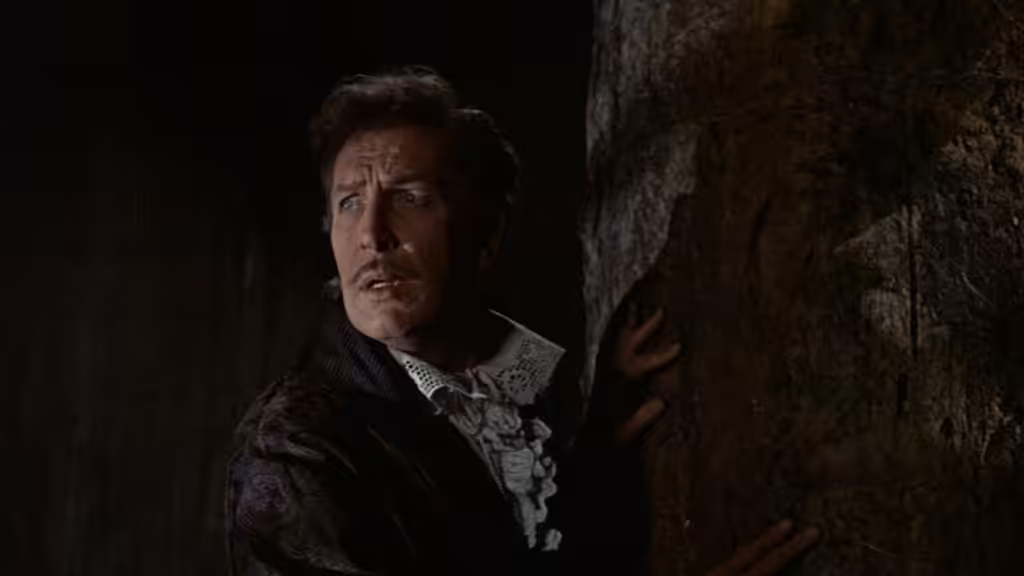
Edgar Allan Poe wasn’t exactly a lover of plausibility. He may not have been a lover of anything, despite popular culture’s love of him, preferring to wander dark streets at ungodly hours and converse with ravens while dreaming up unique ways to die. Fanfare for the common dyspeptic man.
The Tell-Tale Heart
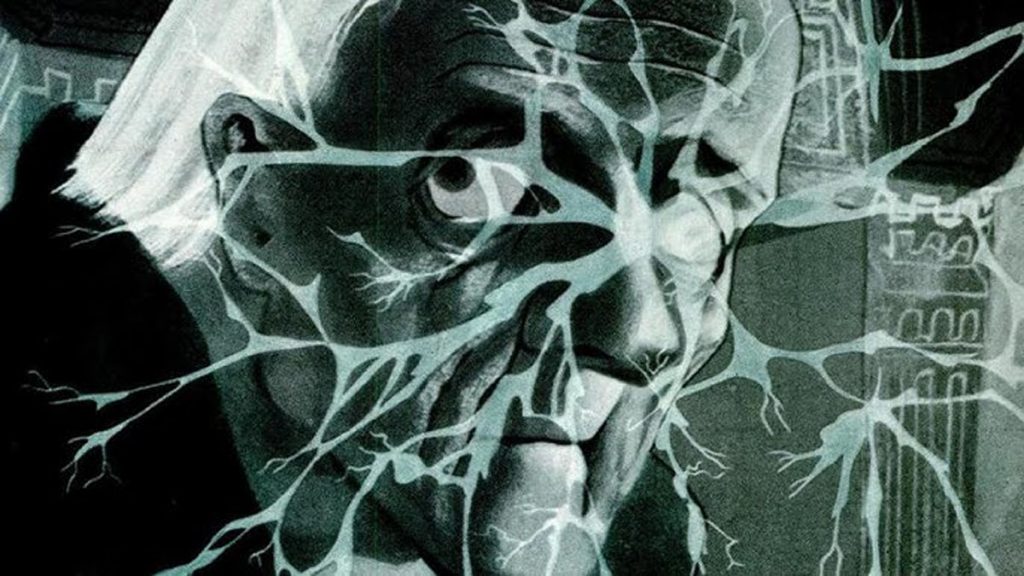
Quality, mid-century animated horror can be a bit like a top-grade Sun Ra album or an Abstract Expressionist sculpture. That is, you don’t know when it might be from, and find it both surprising and sensical when you’re apprised of the date. Edgar Allan Poe was an artist who believed in the short form.
The Black Cat
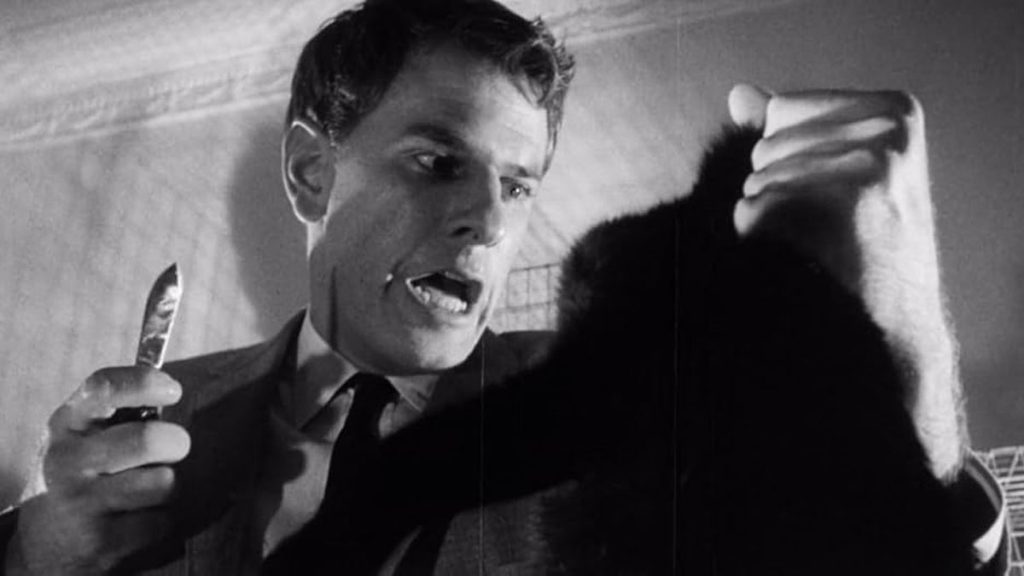
Despite what’s tantamount to a subgenre of macabre offerings suggesting otherwise, Edgar Allan Poe isn’t an author whose work readily lends itself to the cinematic medium.
Won’t You Be My Horror Movie?

Home-viewing fright films for Valentine’s Day with the loving Cupid seal of approval.
Murders in the Rue Morgue

One of the most unheralded of Universal’s 1930s horror films, though perhaps the purest example of the form during that era, Murders in the Rue Morgue (1932) comes off as early-Hollywood torture porn by way of German Expressionism.
The Black Cat
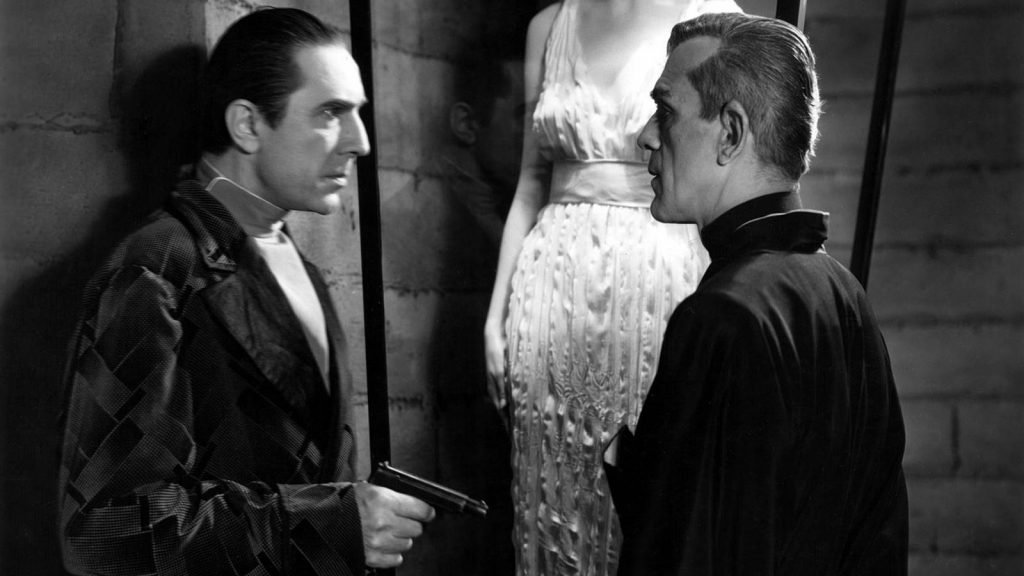
A paragon of queer perversity, Edgar G. Ulmer’s unfathomable Universal horror hit gave major stars Bela Lugosi and Boris Karloff two of their greatest roles. In the first of many films together, the erstwhile Dracula and Frankenstein’s monster play a pair of intensely bonded frenemies locked in an epic sadomasochistic pas de deux.