
The Hound of the Baskervilles
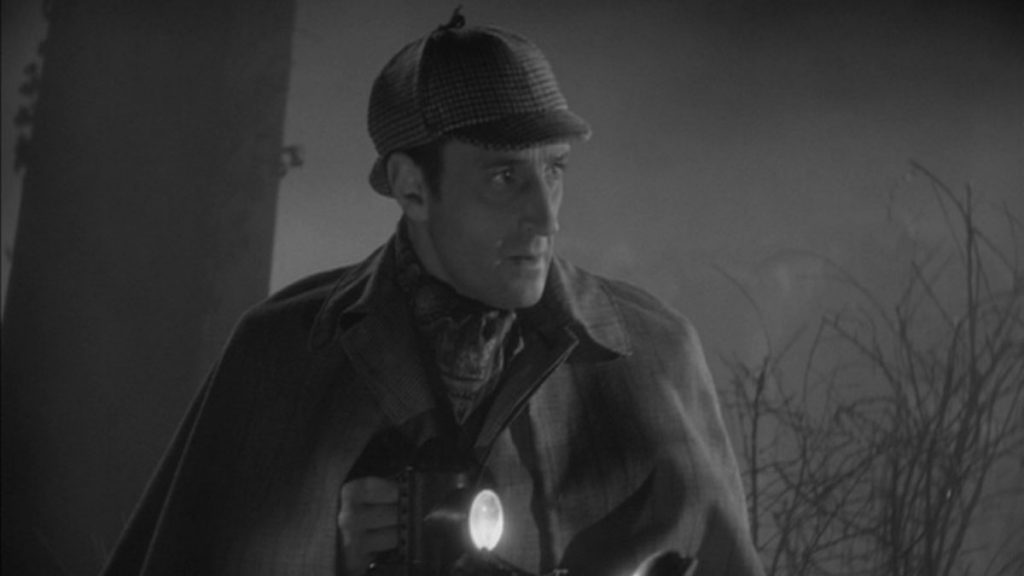
Arthur Conan Doyle’s Sherlock Holmes stories have never lacked for adaptations, with The Hound of the Baskervilles—novel number three out of four featuring the famed detective and his Boswell—being among the most tempting to tackle.
White Zombie
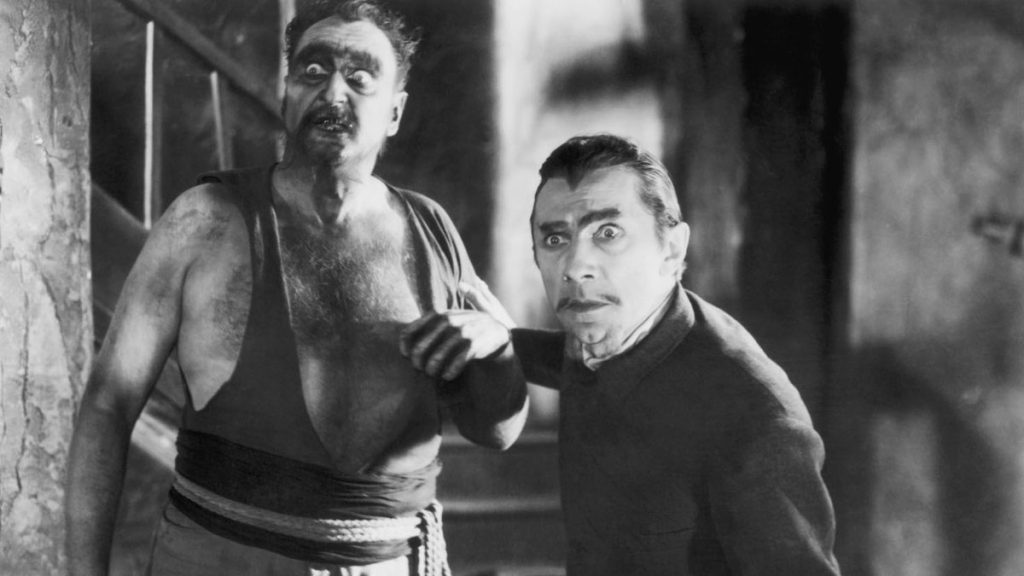
Many horror fans most associate Bela Lugosi with his distinctive voice. We need only to think of myriad memorable lines from Dracula alone, delivered with an intonation that no one else could supply, and the relevant scene plays before our mind’s eye.
Dark August
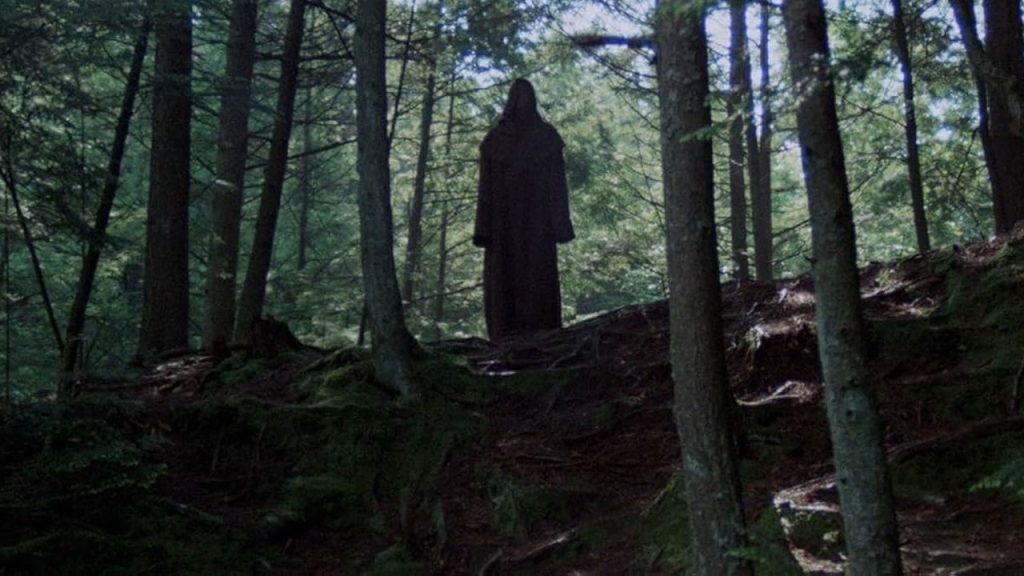
What of the ephemeral horror film experience? That is, the movie we watch knowing we’ll likely only see it once, likely having encountered it by chance, but which is nonetheless memorable?
This One Summer

Certain horror films have a knack for making viewers ask themselves, “Okay, what are we doing here?” and in this regard, 1983’s Sleepaway Camp is a prime example of the sometimes-edifying effectiveness of the tonal shift, which may say more about our preconceptions than what a work is really doing—and building toward—all along.
The Lodger

Marie Belloc Lowndes’s 1913 novel The Lodger—an expansion of her short story of the same name—has been an enticing proposition for filmmakers, and well it should, given its delectable “what-if” premise: Jack the Ripper had to have lived somewhere, allowing that he was not unhoused, so what if he lived in the spare room you were renting out?
No Death for Me

Post-crypt horror in the ever-homeward Eastertide spirit.
Horror Pluck of the Irish

Films vernally ripe and darkly coiled for a suitable viewing marathon with St. Patrick.
The Brain That Wouldn’t Die

It’s a lovely day, and there you are motoring with your lady on the way back to your laboratory, where you keep hunks of flesh alive, when you get into a nasty wreck that slices her head clean off.
Blue Beard

Blue Beard is a glutton. He likes food and female orifices, in that order, which doesn’t mean he doesn’t have a major thing for the latter in this early 1901 French-film dazzler by Georges Méliès.
The Mummy

Love—or what we call love—produces a lot of lip service, which isn’t a reference to kissing. We proclaim our dedication to another, though in reality—if our typical future behavior is any indication—we might as well be saying, “Fat chance.” Horror films often feature obsession that is billed by the obsessing individual as love in its purest form. This would-be brand of love resembles hate and is in reality about control and ego.