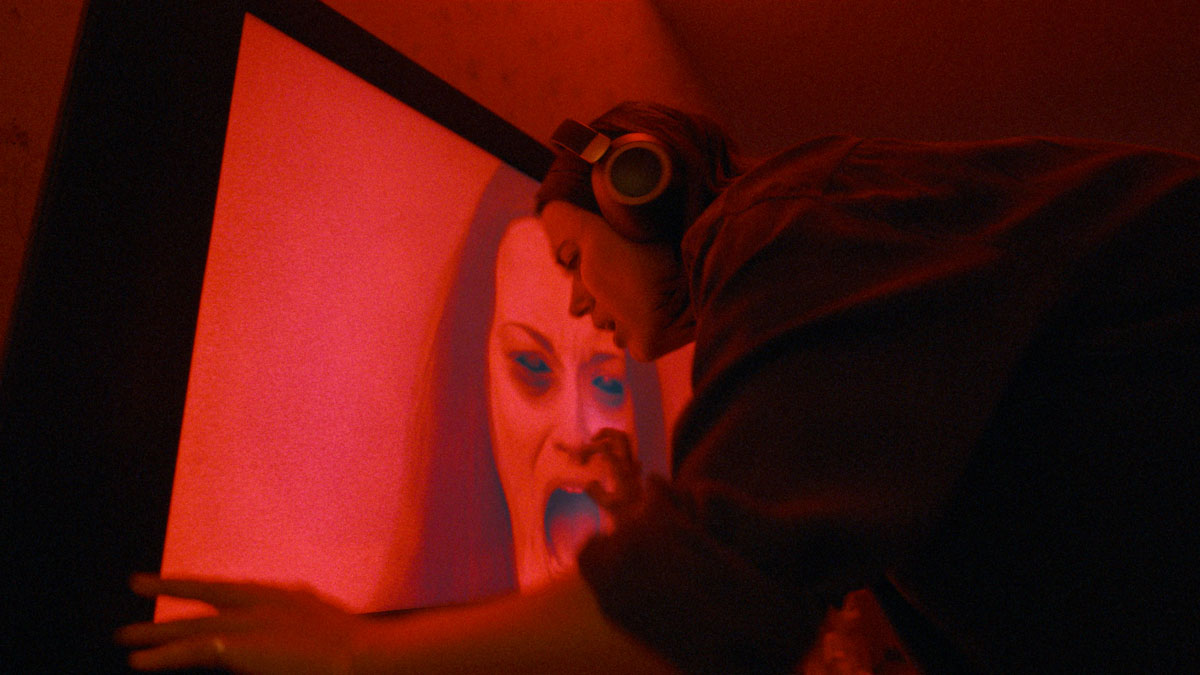
Listen. Movies, like so much culture, are subject to the hegemony of the visual, but it’s sound that surrounds us. Sound is fluid, unfreeze-frameable, and essential to good horror: its capacity to instill unease is evergreen. Undertone, Canadian writer/director Ian Tuason’s feature debut, is remarkable for its faith in the power of sound, of gradations of silence, and of silence’s visual counterpart: negative space. This is a film with a single active on-screen character, a single location, and a limited array of objects elemental to its only semi-coherent story, yet there’s never a dull moment. I attended a quiet matinee, sat alone in the fifth row, and was so unsettled I had to work to not look over my shoulder.
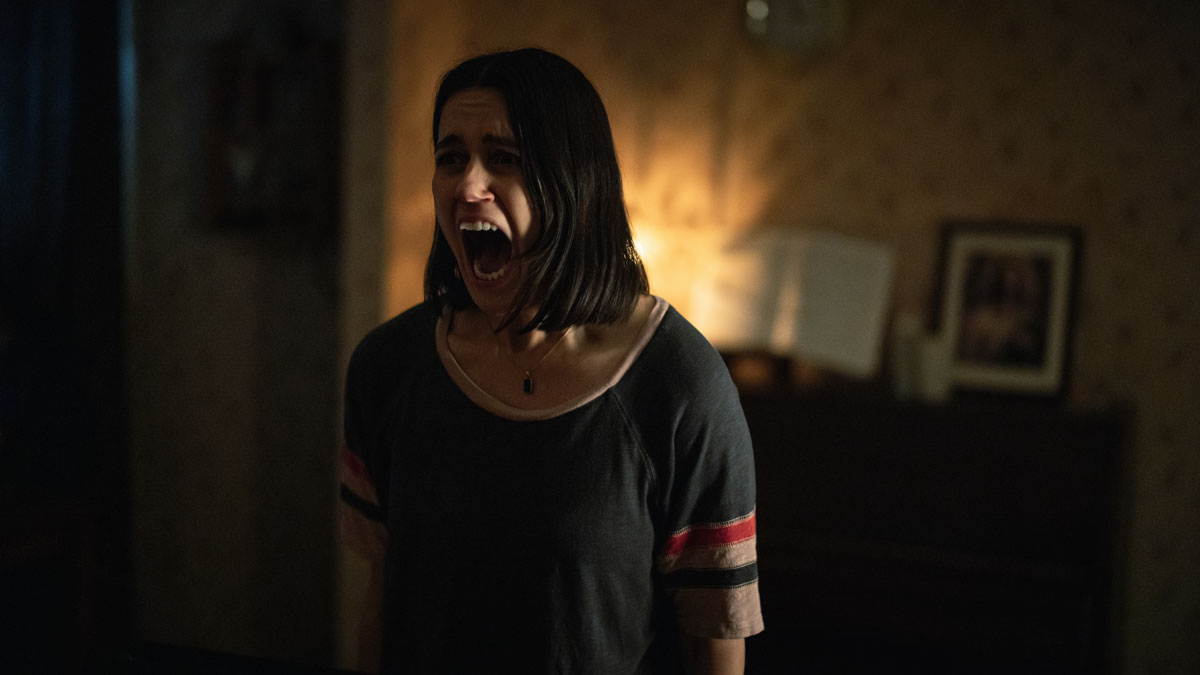
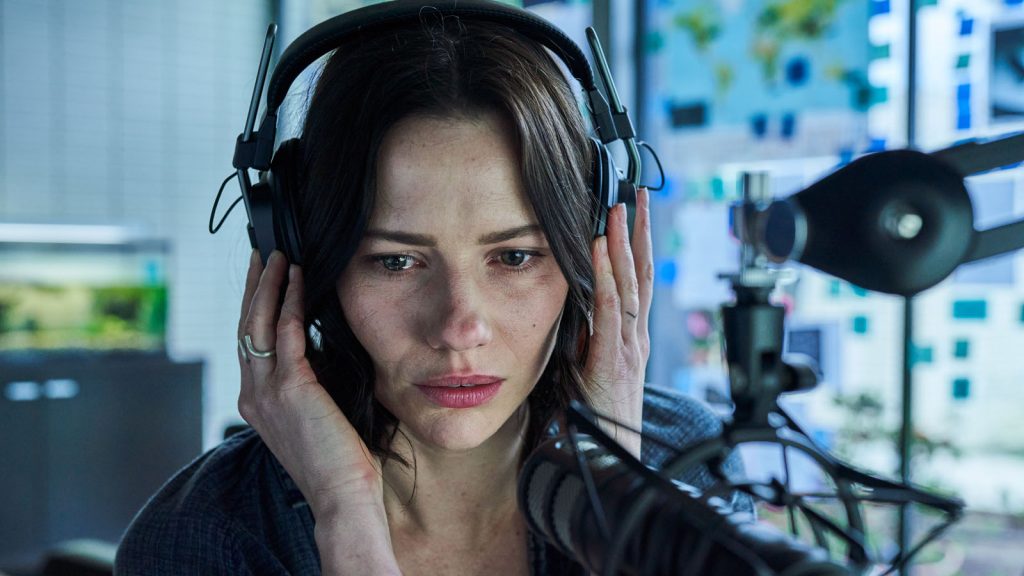
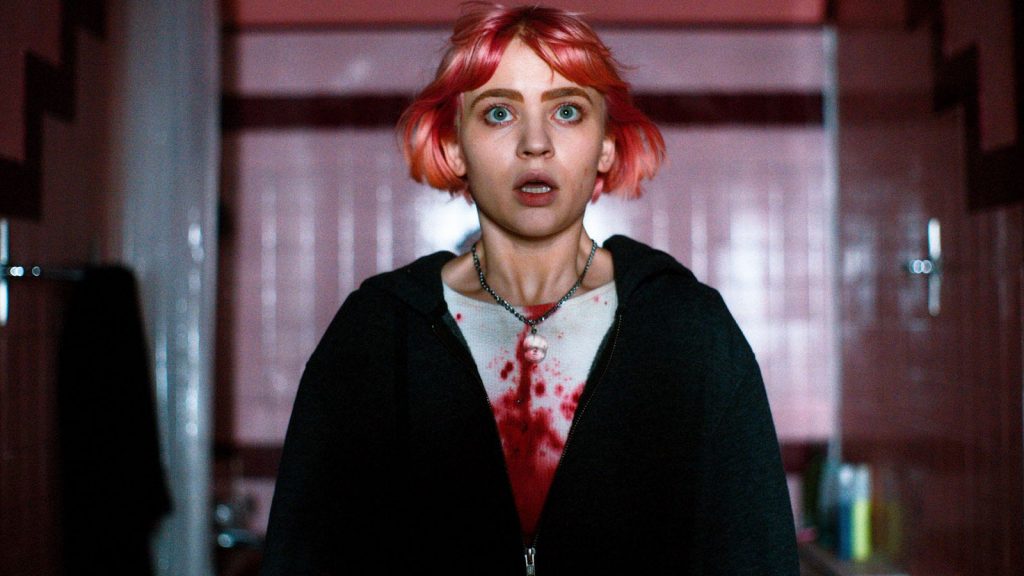
Evy (Nina Kiri, excellent) and her pal Justin (Adam DiMarco) co-host The Undertone, where they “talk about all things creepy.” It’s a podcast, but their schtick is very talk radio: she’s the taunting skeptic, while he wants to believe. They collaborate remotely: Justin, who we never see, is based in London, while Evy is currently living and working in her Toronto childhood home, where she holds vigil over her inert mother (Michèle Duquet), who hasn’t eaten in days and appears to have slipped into a coma, her shallow breathing the only indication that she’s still alive. Evy has a boyfriend, but he never comes over. She’s all alone in this old house suffused with memories and decorated with tokens of Momma’s religious convictions, which Evy feels guilty for not sharing. She might feel guilty for other things, too.
Opening in a state of anxiety and grief, undertone begins its drift into terror when Justin reveals that he’s received a mysterious series of audio files made by a man seeking to monitor his partner’s tendency to talk in her sleep. Rather than examine the files before building an episode around them, Justin and Evy decide to record their responses while listening to them in real time. The ominousness of the recordings burgeons in tandem with eerie events transpiring right in Evy’s home: she discovers objects in places other than where she left them. Is Mom more animated than Evy imagined? Or is something else causing these ruptures in the stasis?
Undertone is more impressive as storytelling than story: it’s a deft directorial performance, a shrewdly paced slow burn, an exercise in the calibration of tension and atmospherics. There are minor red herrings, and events accumulate rather than develop per se. While the film never resorts to facile jump scares, it cultivates its share of overfamiliar or downright corny conventions, from spooky dolls to folksy Christian iconography, old-timey children’s songs to the backmasking of evil messages. Yet this is a personal work: Tuason, whose parents are deceased, shot the film in his own childhood home, and undertone resembles a kind of artistic catharsis. The shot design benefits tremendously from Tuason’s intimate familiarity with the house’s every nook and cranny. He and cinematographer Graham Beasley frequently de-center Evy, favoring the gloomiest corners of the room where you can’t be certain what you’re seeing, while at key moments, editor Sonny Atkins cuts between opposing close-ups as Evy listens to disquieting sounds through noise-cancelling headphones. These cuts suggest, however subtly, that Evy is being observed. Or at the very least listened to. But by whom?
David Gertsman’s sound design deserves high praise. It operates on our collective audio apophenia—like Evy, we’re often not quite sure if we just heard what we think we heard—and the placement of sounds, their relative proximity, brightness or dampness, familiarity or strangeness, is balanced for maximum skin crawl. But audiophiles beware: technical prowess forsakes technological verisimilitude here. The recordings sent to Justin, for example, presumably made with a smartphone or some such, sound surprisingly stereo. Much in undertone sounds crisp and clean, and when it doesn’t, its degradation sounds like post-production. This might seem like quibbling, but I’d argue that the film would have only enhanced its eeriness had it adhered to realism. Still, I implore you to experience undertone under the best audio conditions possible. What you hear is half the movie. Maybe more. 
 FRESH BLOOD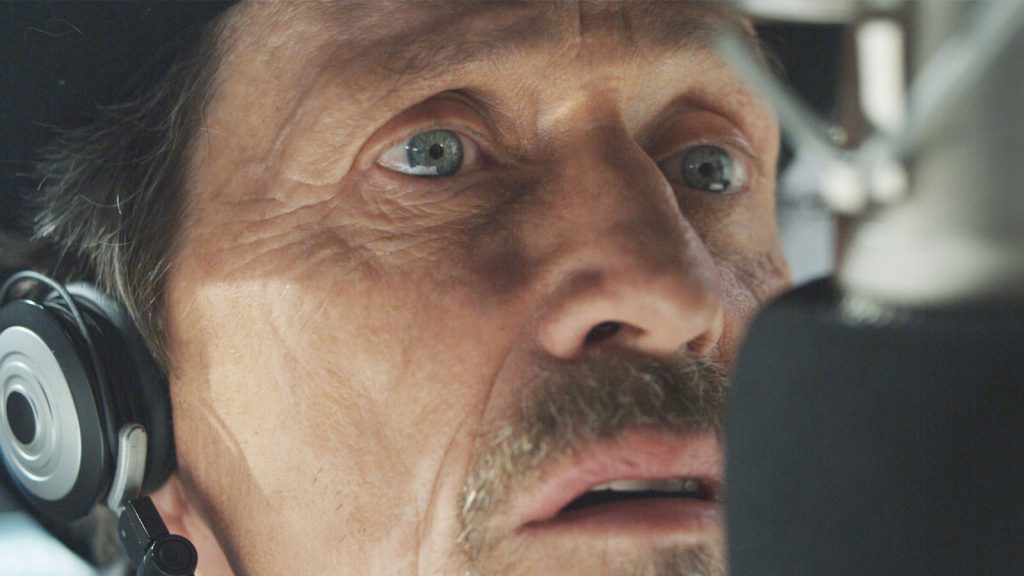
 RAVENOUS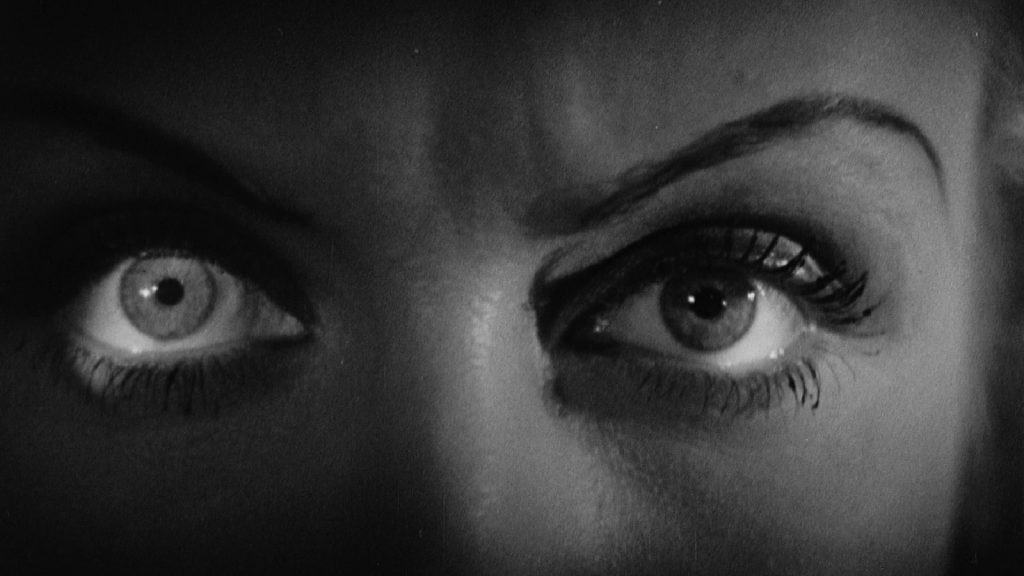

 JustWatch