
Cat People
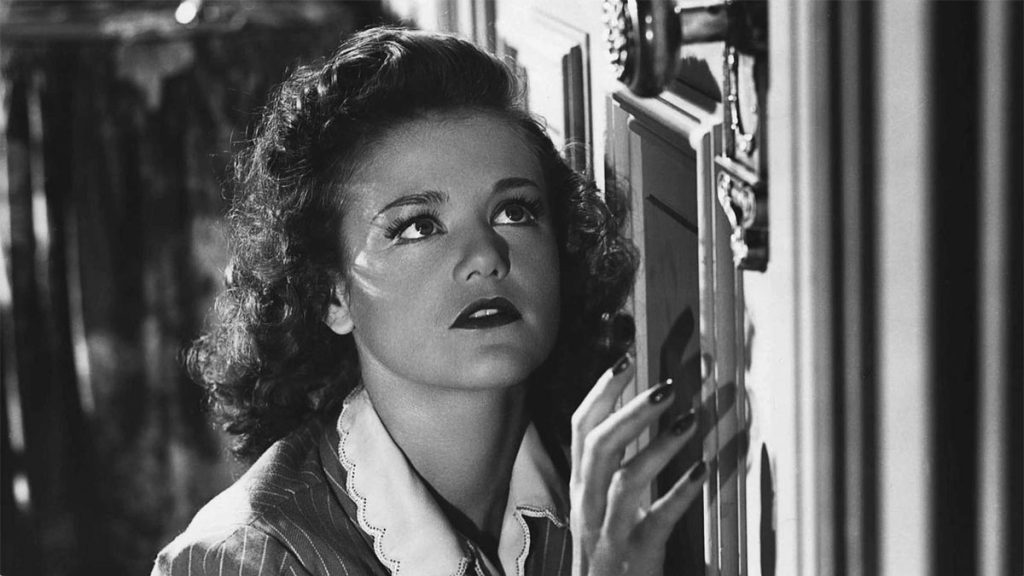
On one level, this is a story of longing and projection, of strange love between opposites.
The Body Snatcher
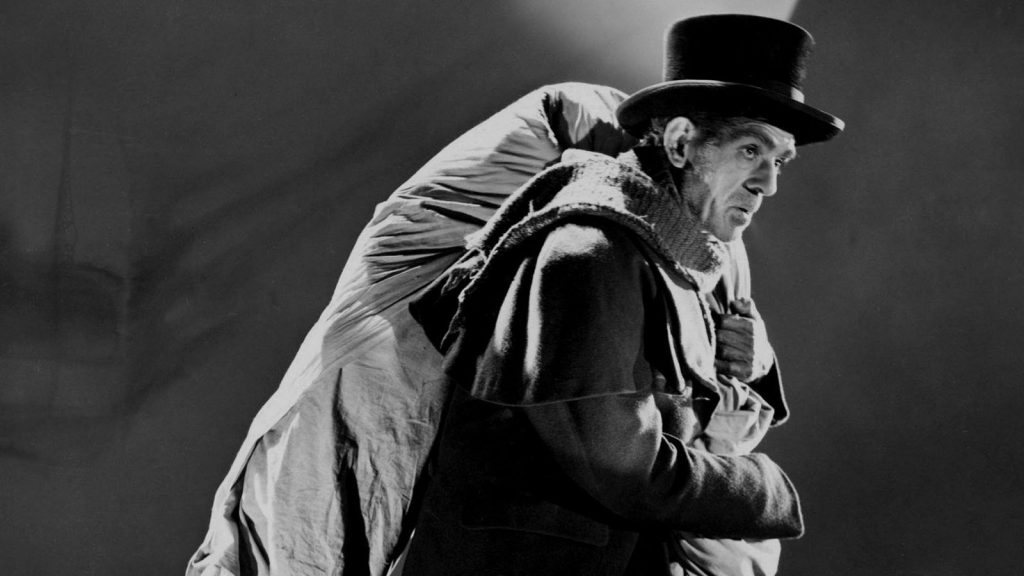
Robert Wise—director of the two best Broadway-on-celluloid adaptations in human history—attempts and achieves the improbable here: he sets a Robert Louis Stevenson short story about literal skullduggery in a world as inclined toward the music hiding in midair as a space written by Rodgers, Hammerstein, or Sondheim.
The Leopard Man
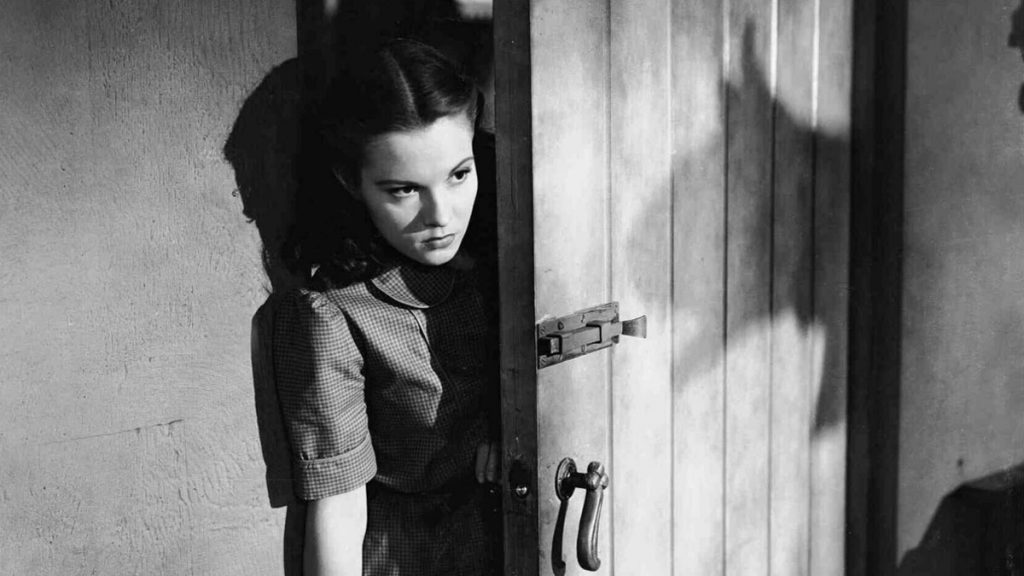
A lipstick and makeup mirror slip from fear-frozen hands, a sack spills corn flour along a grassy trail, a ball floats atop a geyser of water, the rattlesnake whir of castanets, blood seeps in from below a heavy door: The Leopard Man (1943), the third in auteur producer Val Lewton’s cycle of low-budget horror films for RKO, and his last collaboration with the great B-movie director Jacques Tourneur, brims with such haunting, often eerily erotic sounds and images.
The Curse of the Cat People
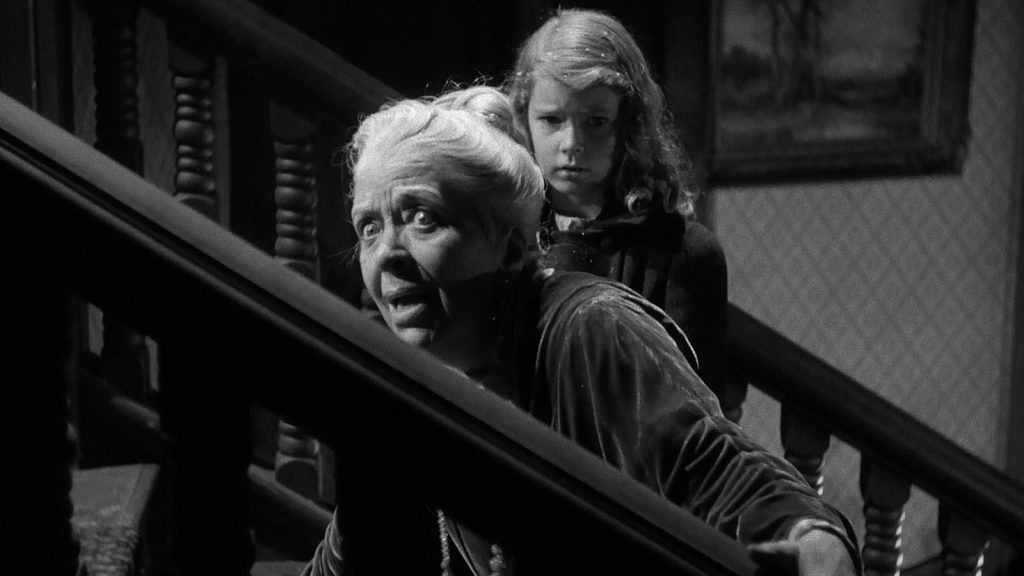
At this crazy moment, when film history is caught in the grip of multiple clichés that grind on and on and on—puerile revenge + empowerment fantasies (pioneered by Quentin Tarantino), a lazy equation between the mass-marketed and the genuinely popular, an even lazier equation between audio-visual entertainment and technological progress—it might come as a shock to revisit Val Lewton’s nine-film horror cycle for RKO in the ’40s.
The Haunting
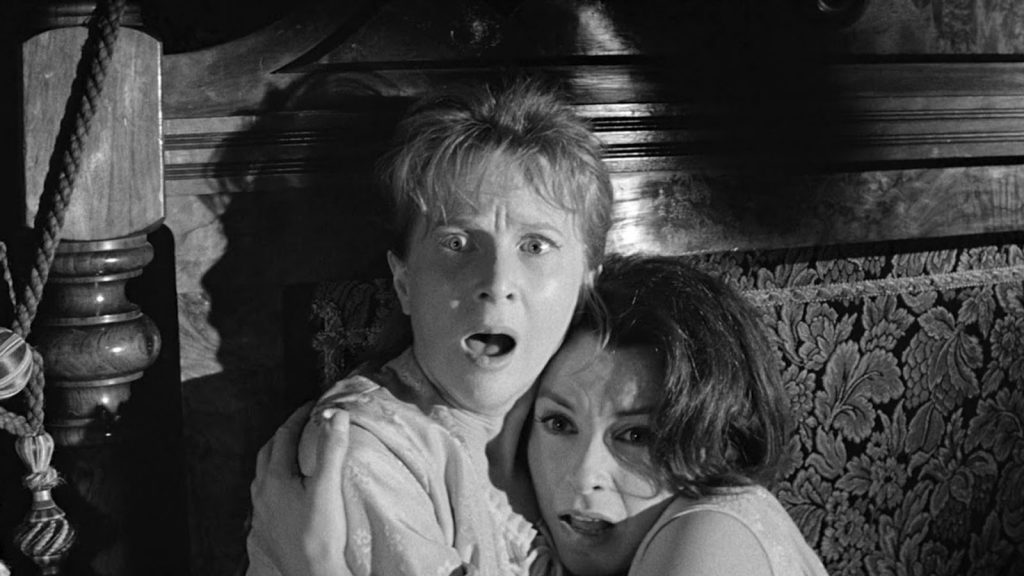
The question of possession looms over The Haunting (1963), with regards to both Hill House, the labyrinthine Victorian mansion in which most of the action takes place, and the film’s story, an adaptation of Shirley Jackson’s now-canonical 1959 Gothic The Haunting of Hill House that’s remarkably faithful in plot, if not in spirit.
I Walked with a Zombie
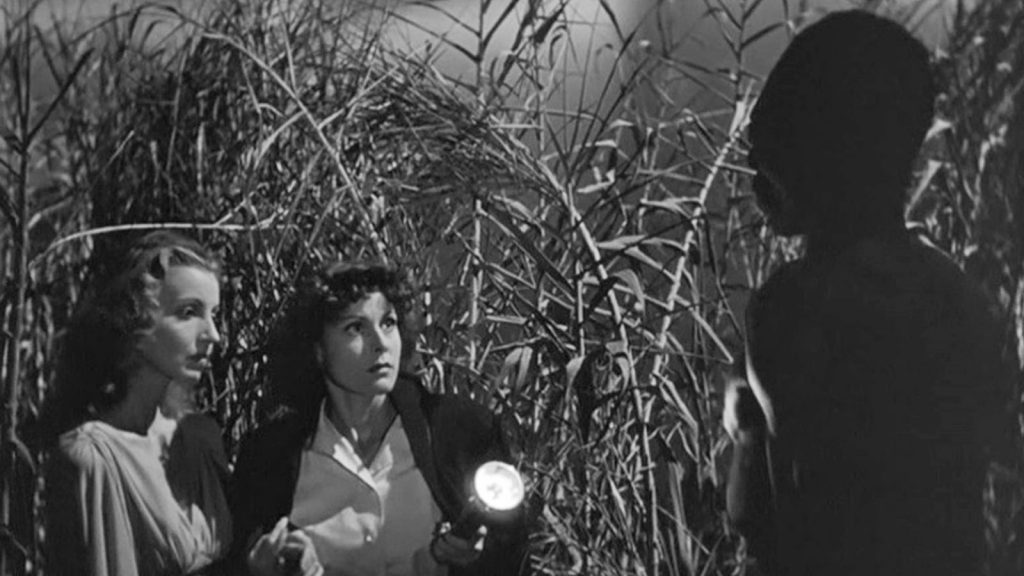
A nurse leads a catatonic through an expanse of moonlit cane. They pass displays of sacrificed animals before encountering the towering, shirtless, dead-eyed Black man who grants them entry to a private outdoor religious ceremony…
The Seventh Victim
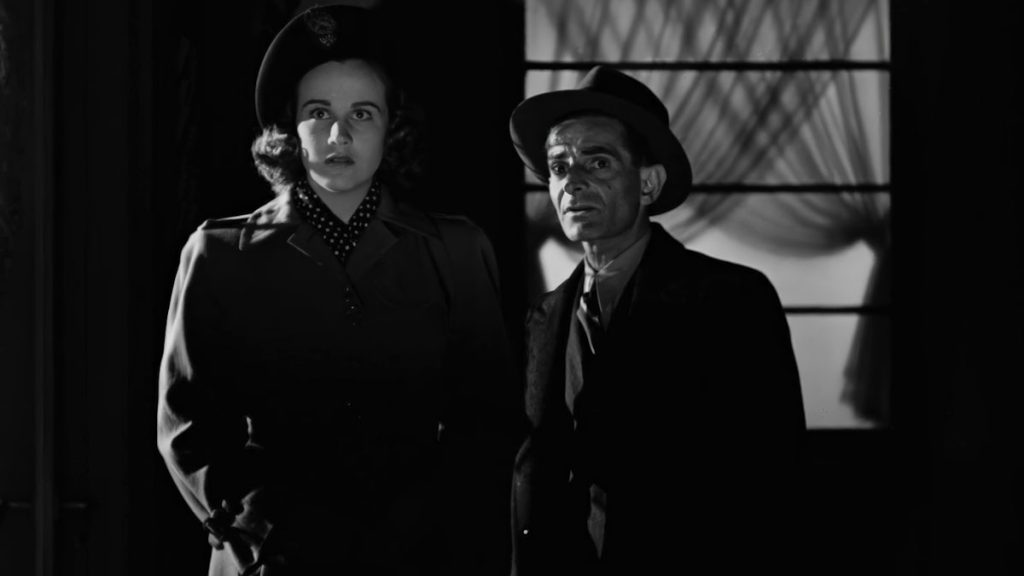
Though it’s perhaps not as widely known as the other B-horror films that Val Lewton produced for RKO between 1942 and 1946, The Seventh Victim is the cycle’s poetic pinnacle.