Like so many ’90s New England kids, my first adult horror was sneaking Stephen King books off my parents’ bookshelves after graduating from Christopher Pike and R.L. Stine. Somewhere in the haze of that transitory period, I vividly recall sitting in the backseat of the family car, listening to The Mist’s audiobook, borrowed from the library, on the way to a small coastal town in Massachusetts for vacation. The full-cast dramatization was recorded in binaural audio to mimic 3D sound through the headphones. It was terrifying and all so bleak and hopeless, yet it became one of the formative horror experiences of my childhood.
So when it was announced that Frank Darabont was finally releasing his long-gestating version of The Mist (2007), I was extremely excited. Darabont was the Stephen King director, kicking off his career with the short The Women in the Room (1983), one of the earliest films (and one of the few released commercially) in the Dollar Baby initiative, a defunct project that allowed young aspiring writers and directors to adapt King’s works for a dollar, while he retained the rights. This famously led to a handshake deal between Darabont and King to make his 1982 novella Rita Hayworth and Shawshank Redemption, which became the enduring modern classic The Shawshank Redemption (1994), and was followed five years later by the lesser effort The Green Mile.
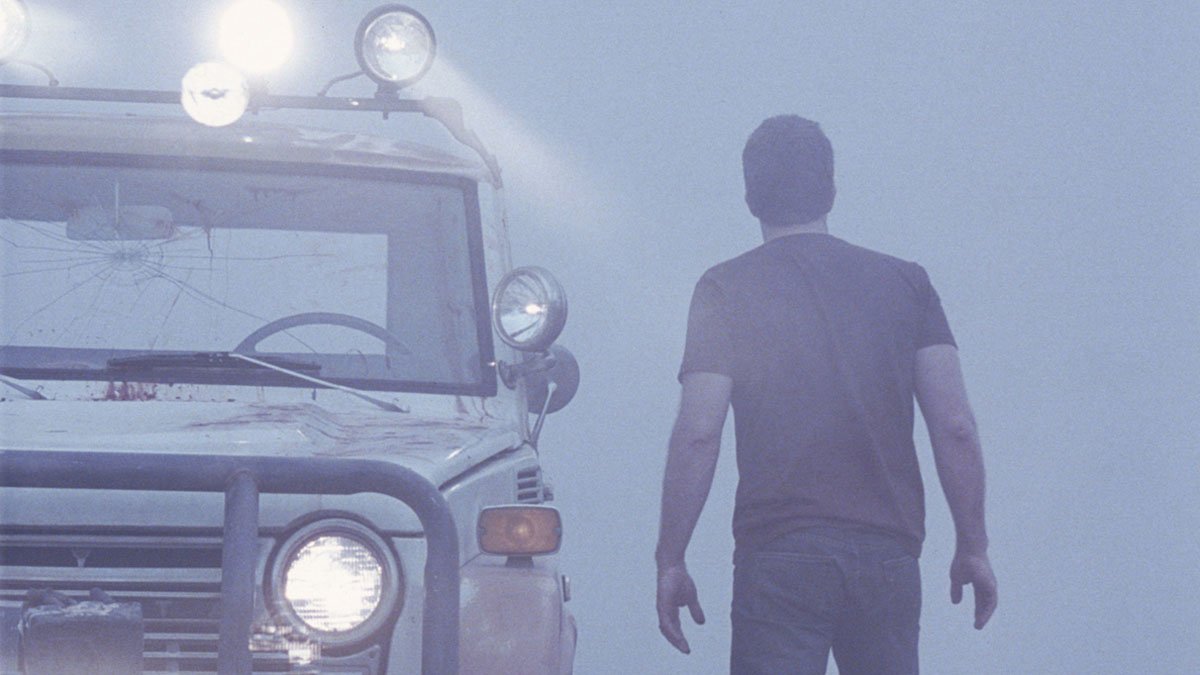
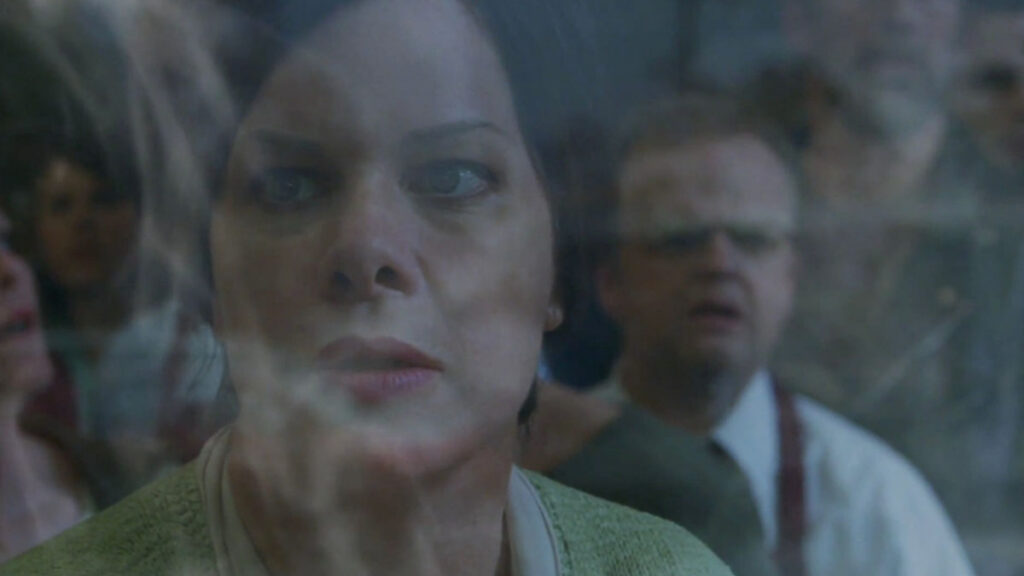
The Mist starts simply enough: a major storm threatens a small Maine town, and a father, David Drayton (Thomas Jane), takes his young son (Nathan Gamble) into town to get supplies. But then a mist filled with Lovecraftian monsters rolls in, trapping people in the grocery store and picking the townsfolk off one by one. Days pass, the mist never dissipates, and tensions ratchet to a fever pitch as warring factions break out in the supermarket. Naturally, being a Stephen King story, the humans are worse than the monsters, and Mrs. Carmody carves her place as an all-time movie villain. Marcia Gay Harden plays her with vile, small-town religious venom that borders on camp, but her self-righteous fury is mostly straight-up scary (and, for those living in a tiny New England town, like me, scarily accurate).
The film plays into this mounting tension well and smartly skips much of the short story’s slow-burn beginning; Darabont knows he is making a monster movie and wants to get right to it. He amplifies Mrs. Carmody by drawing out her steady manipulation, whereas King depicts her more as the town nutjob. In the movie, her religious convictions, apocalyptic proclamations, and holier-than-thou insults (“If I ever want a friend like you, I’ll just have myself a little squat and shit one out” goes down as one of the most brutal insults ever delivered) work to externalize the terror of the situation and the ease with which humans will follow a strong man in times of crisis. Of course, Darabont is also tapping into the rise of a distinctly American form of Christian nationalism in a post-9/11 world—and we are now a country run by the dumbest versions of Mrs. Carmody.
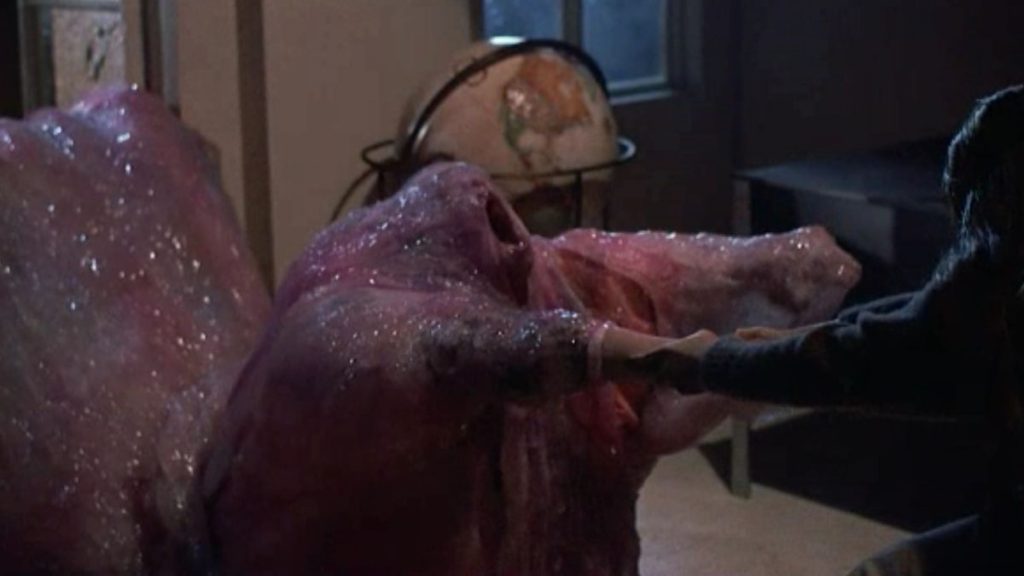
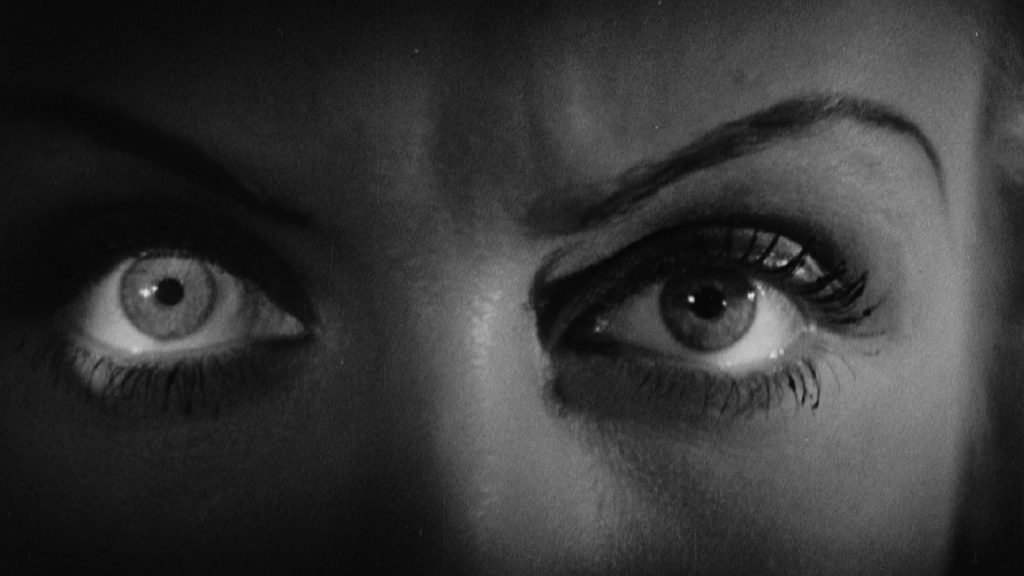
Imperfections do seep through. The CGI is pretty shoddy even by the standards of its day, hampered by a small budget and a quick production. The script also isn’t Darabont’s finest; his attempt to skip right to the action results in some truly stilted early exposition, and its exploration of societal breakdown feels as subtle as a bazooka. Jane is also out-acted by almost everyone else in the cast. But the film ultimately works as well as it does because we know the tone isn’t meant to be realistic. Darabont is toying with classic Hollywood monster-movie tropes, something he previously explored as a co-writer on 1988’s remake of The Blob. The alternate black-and-white version of The Mist released on home video makes these old-school creature-feature motivations even clearer, and it is now my preferred way of watching the film.
Any criticisms of The Mist end up obliterated by its gut-punch ending. To this day, it’s one of the only times I’ve seen an entire audience completely shocked into silence. You could have heard a pin drop in the theater after the last notes of Dead Can Dance’s The Host of Seraphim fade. It elevates the film to essential sci-fi/horror territory and establishes it as a Halloween-season must. 🩸

 JustWatch
 FRESH BLOOD