
Kuroneko
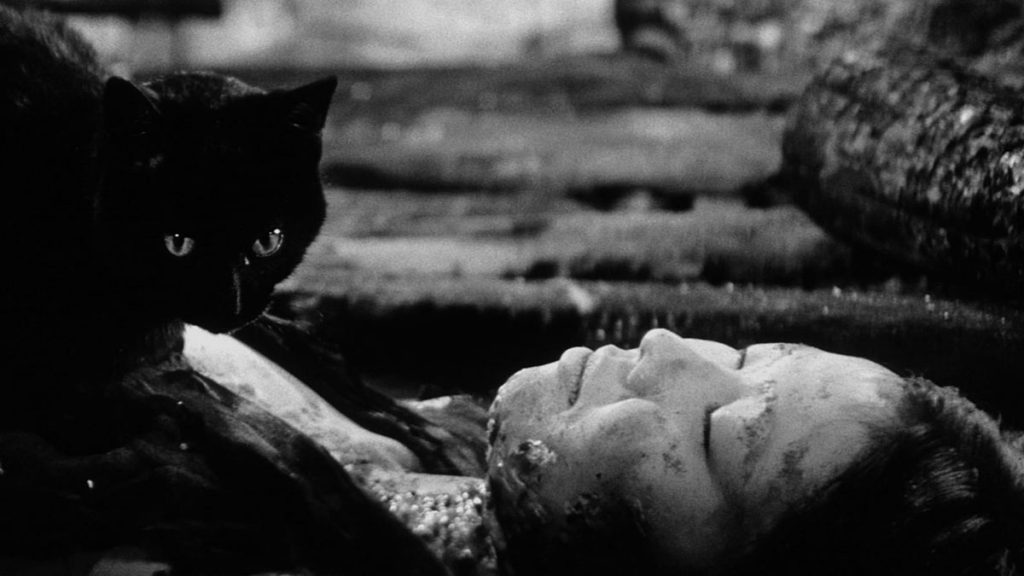
A swarm of samurai emerge from a bamboo grove in firefly patterns, arriving at the threshold of a humble hut. The scene is nearly silent, false tranquility preceding a torrent of savagery.
Pulse
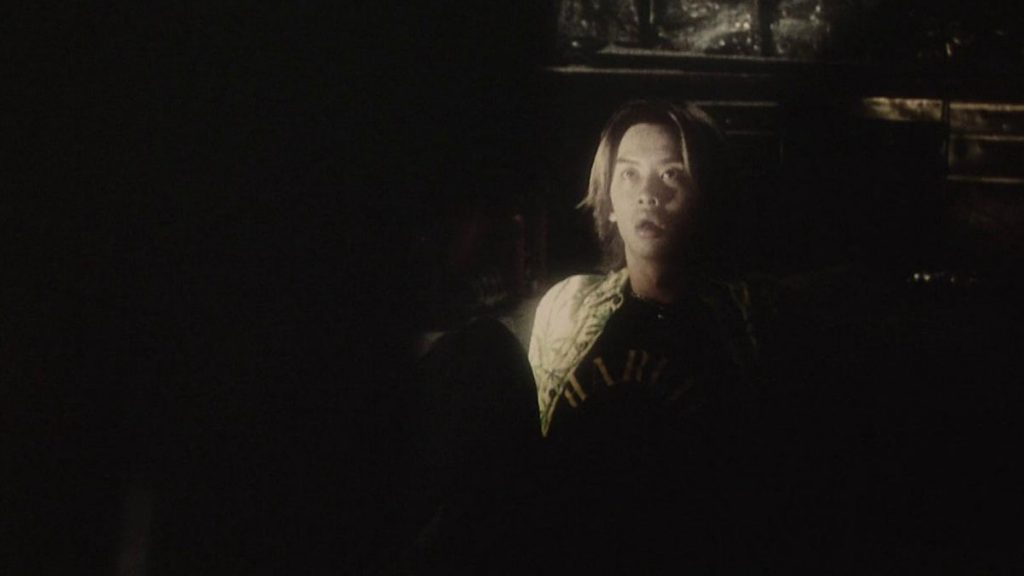
Pulse is, in my mind, the pinnacle of the J-horror wave in the late ’90s and early ’00s. It is part of Kurosawa’s early explorations into the apocalypse, which also include Cure (1997) and the criminally underseen Charisma (1999).
Demons

Demons (1971) begins with the sun’s burial. It sinks beneath the horizon, like the circle leaving a Japanese flag. This brief color sequence is the overture to a monochrome samurai nightmare, unfolding on the fringes of Chushingura, the 18th-century Kabuki drama cycle about the 47 ronin.
Angel Dust
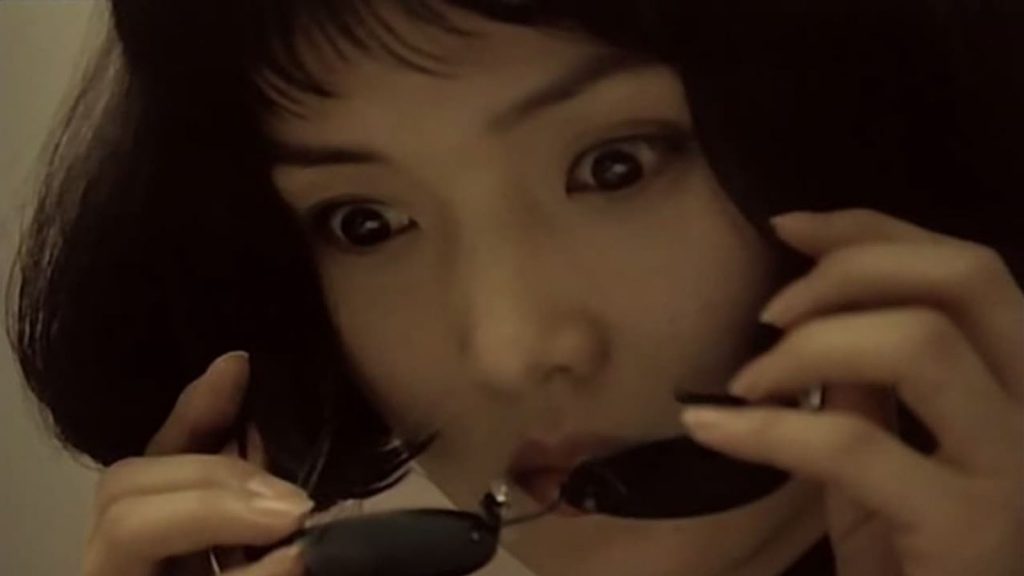
Angel Dust (1994) is an energetically bleak film about the terrific ease with which we surrender our minds.
Noroi: The Curse
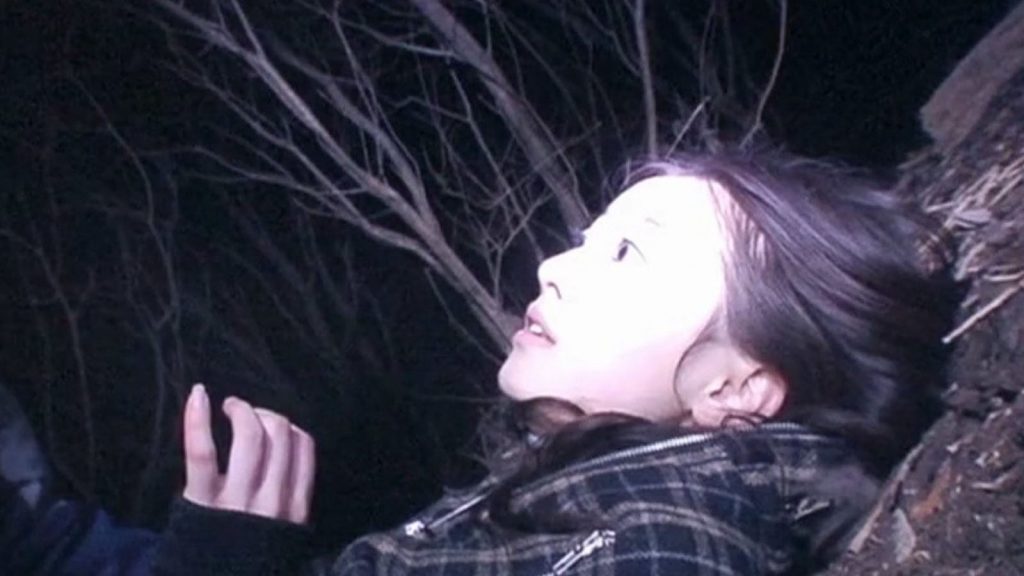
When Noroi: The Curse was released in Japan in 2005, it quickly became a word-of-mouth must-see, deemed one of the scariest found-footage films ever made.
Onibaba
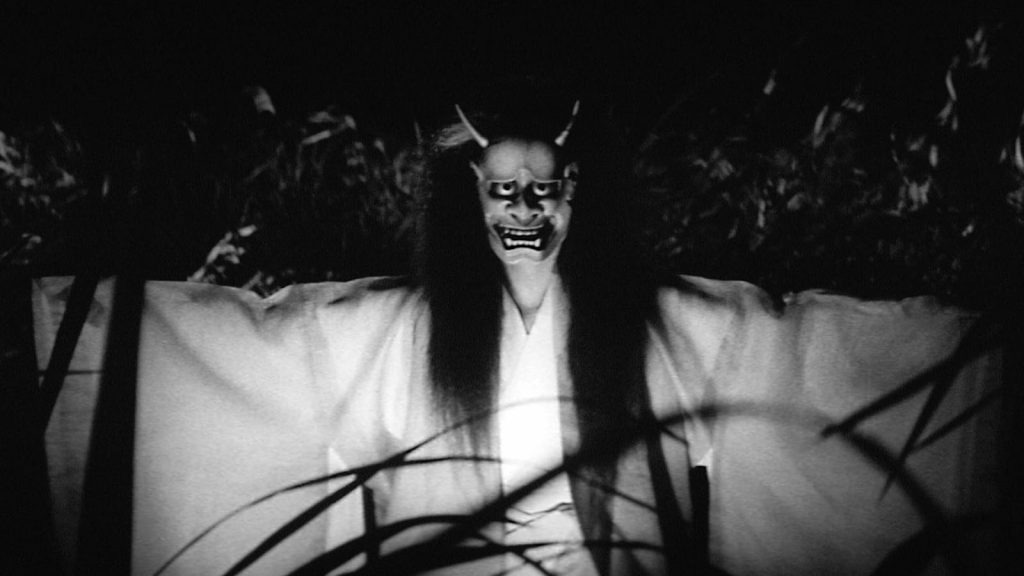
The opening images of Kaneto Shindo’s exquisite, dread-drenched, medieval Japan–set Onibaba (1964) are overlaid with telegraphic fragments of text: “THE HOLE. DEEP AND DARK…”
Woman in the Dunes
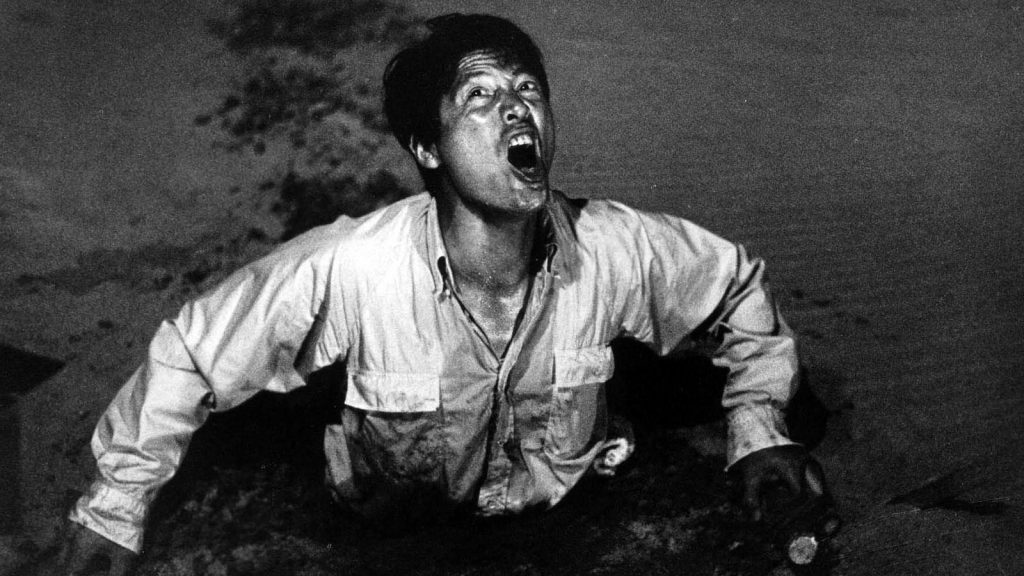
The tale of an amateur entomologist (Eiji Okada) lured by seemingly amiable rural folk into a sand pit from which he is unable to escape, Woman in the Dunes would seem to generate its particular strain of terror from our primal fear of sequestration and austerity.
Cure
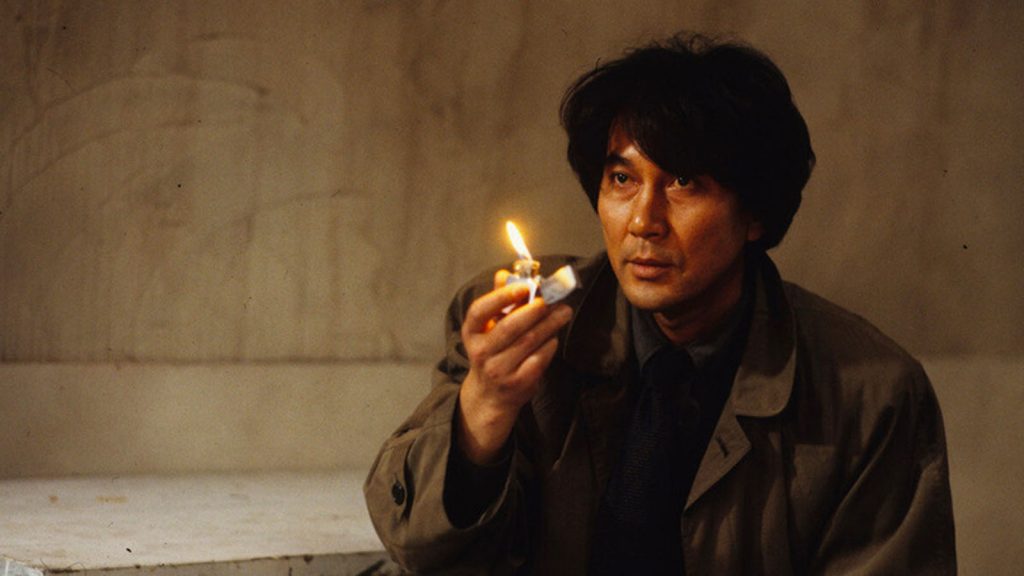
Not just a key figure in the emergence of the J-horror movement, Kiyoshi Kurosawa is also a contender for the most important filmmaker in all of Japanese horror history.