
April Fool’s Day
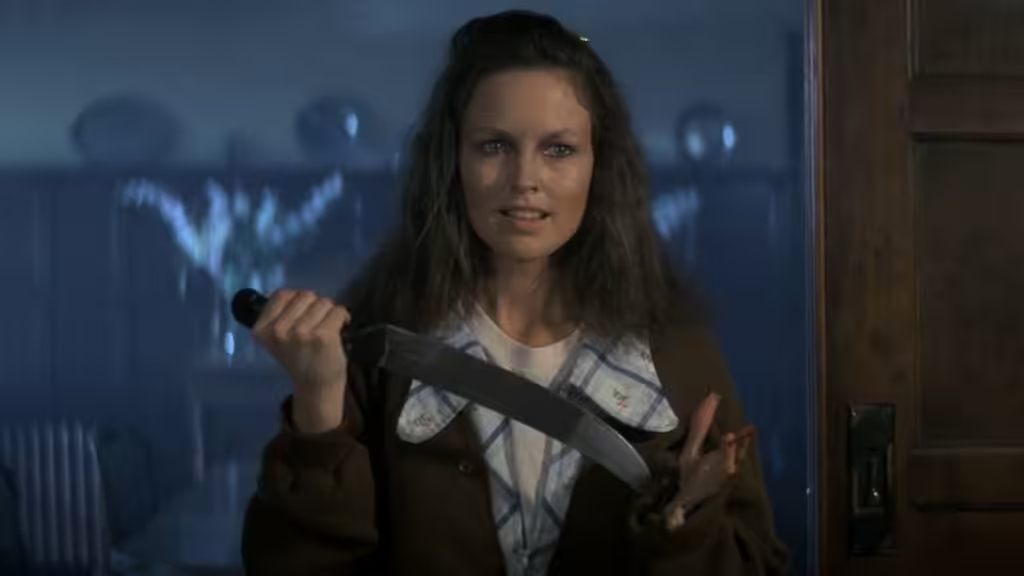
Horror initiates are sometimes thrown into the deep end of the fright pool scarcely before they can keep themselves afloat, as with the child whose father says, “Sure, you can watch with me,” resulting in everyone being up past their bedtime as dad consoles a girl who saw A Nightmare on Elm Street before she ought to have.
Christmas Evil
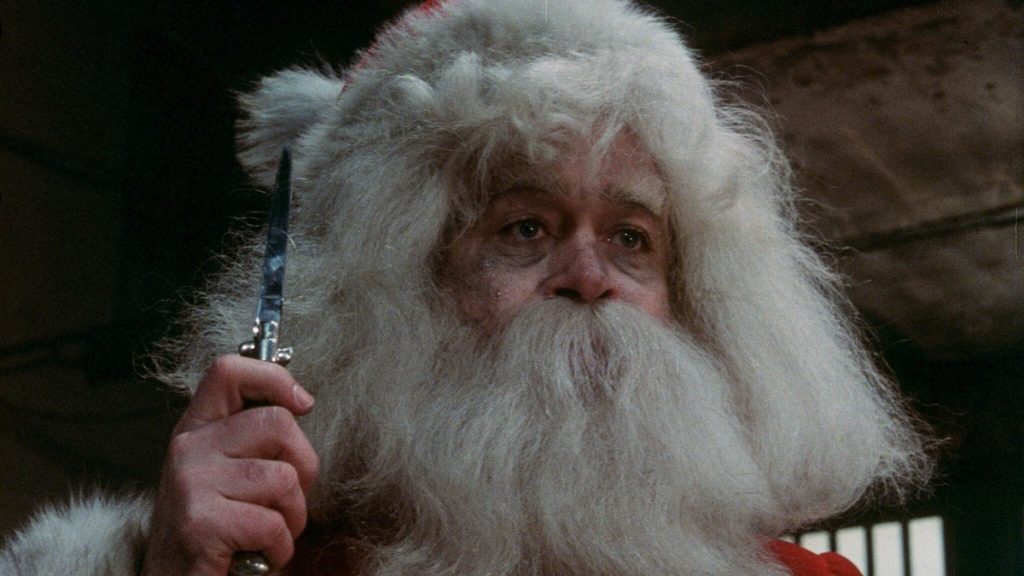
The aim of slashers—at least in their early days—was to shock. They weaponized their newness and how they broke with films of the past, in which the gory details of riven bodies happened offstage after a fashion, even when those injuries were sustained in front of our very eyes.
Night of the Werewolf
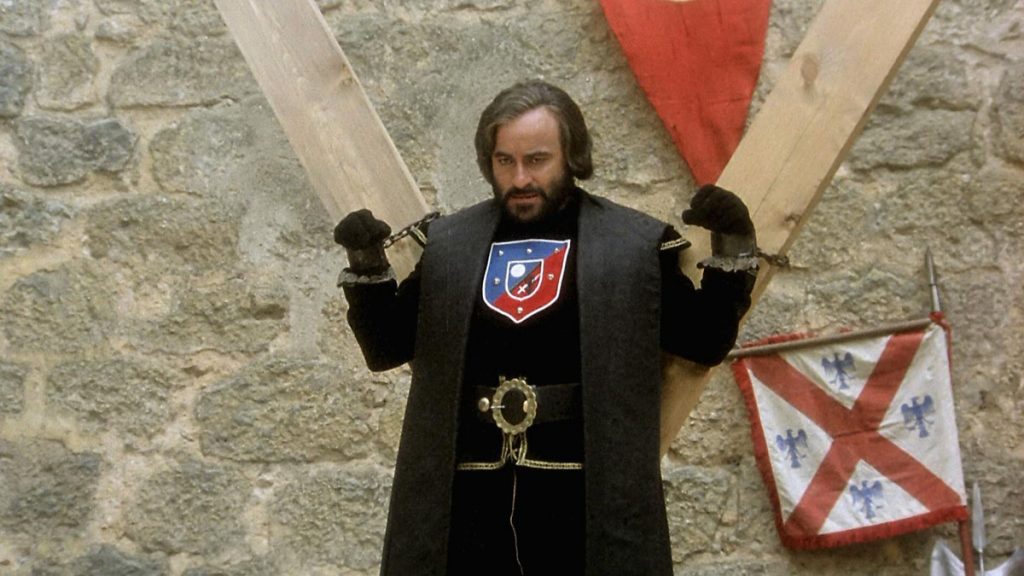
Waldemar Daninsky. The name is a trochaic delight, a complete poem—I could walk around all day saying those words, which roll off the tongue like “Candyman.” Waldemar Daninsky, the lycanthropic Polish nobleman, was the creation of Spanish screenwriter Paul Naschy (also credited as Jacinto Molina, his real name), who portrayed him in 12 films…
The Blob
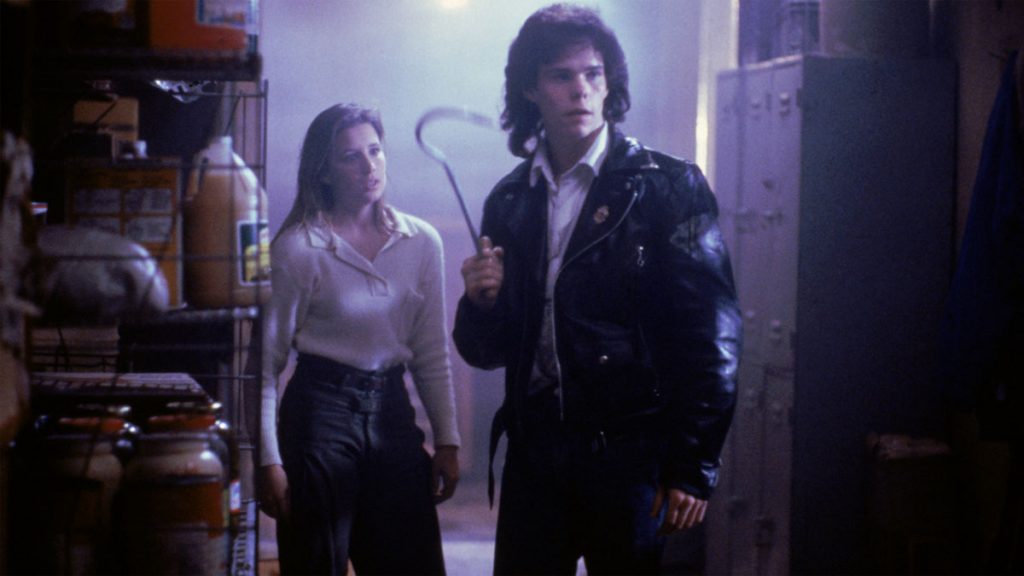
More an homage than a direct remake, Chuck Russell’s The Blob is distinctly ’80s but with a ’50s soul.
The Beyond
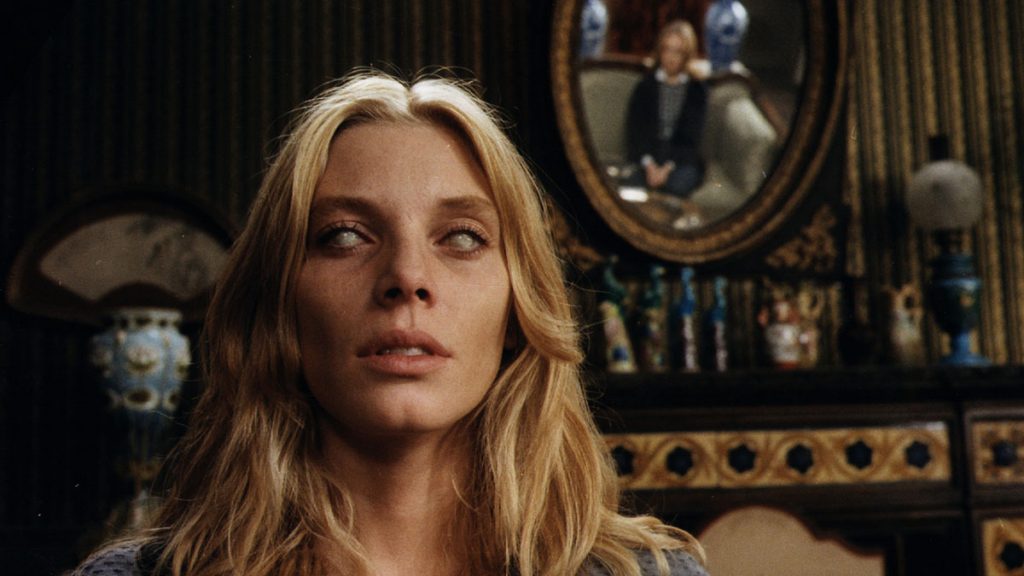
Timothy Leary taught us that set and setting are critical to determining the shape of any mind-altering experience.
Society
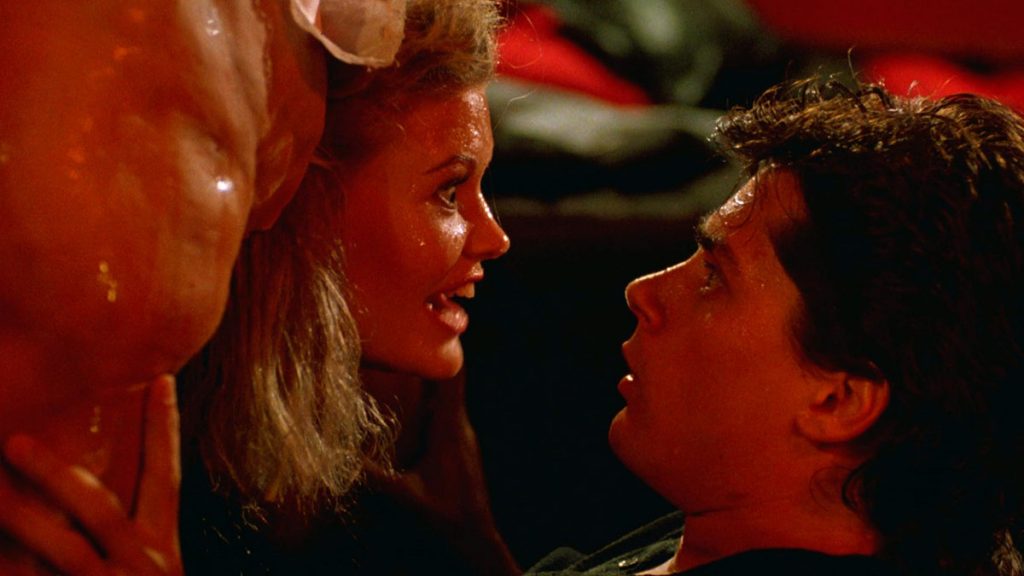
Producer Brian Yuzna, known for his work with the Lovecraftian filmmaker Stuart Gordon, tried his hand at solo directing in 1989, when he leveraged the Re-Animator (1985) sequel rights and secured a two-picture deal. The first film that resulted was Society, an adaptation of Woody Keith and Rick Fry’s screenplay, which featured an upper-class cult sacrificing the poor.
Razorback

I first saw Razorback as part of Joe Bob Briggs’s MonsterVision, which was one of my primary means of discovering new films beyond my small-town video store and Channel 11’s Saturday Afternoon Movies.
Dead Calm
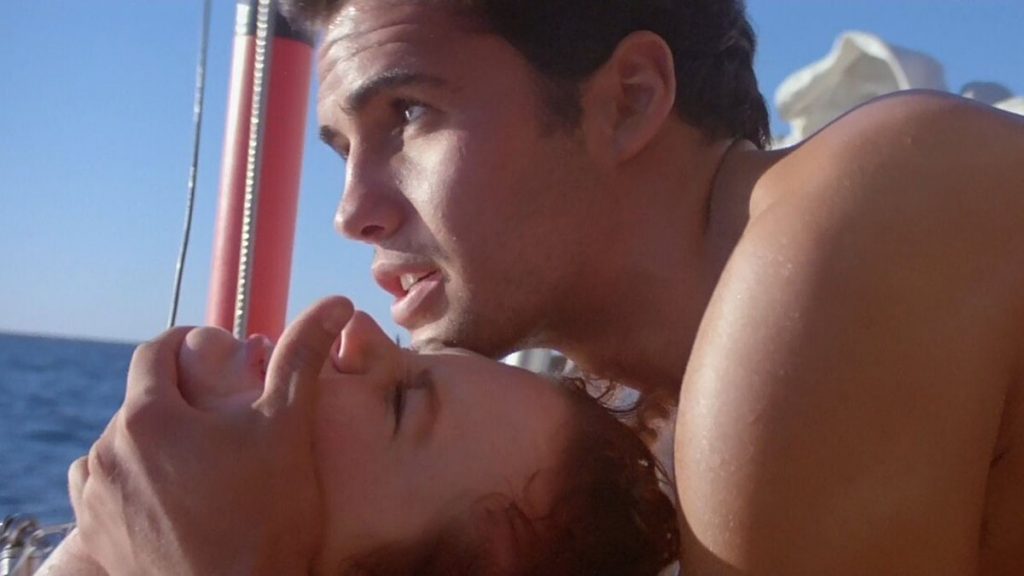
As we entered the 1990s, the era of sleazy sex thrillers, genre fans exited the previous decade with the parting gift of 1989’s Dead Calm. The Phillip Noyce–directed, George Miller–produced, Australian-made movie veered into racy, provocative territory without neglecting its main mission of delivering unadulterated edge-of-your-seat suspense.
Ms .45
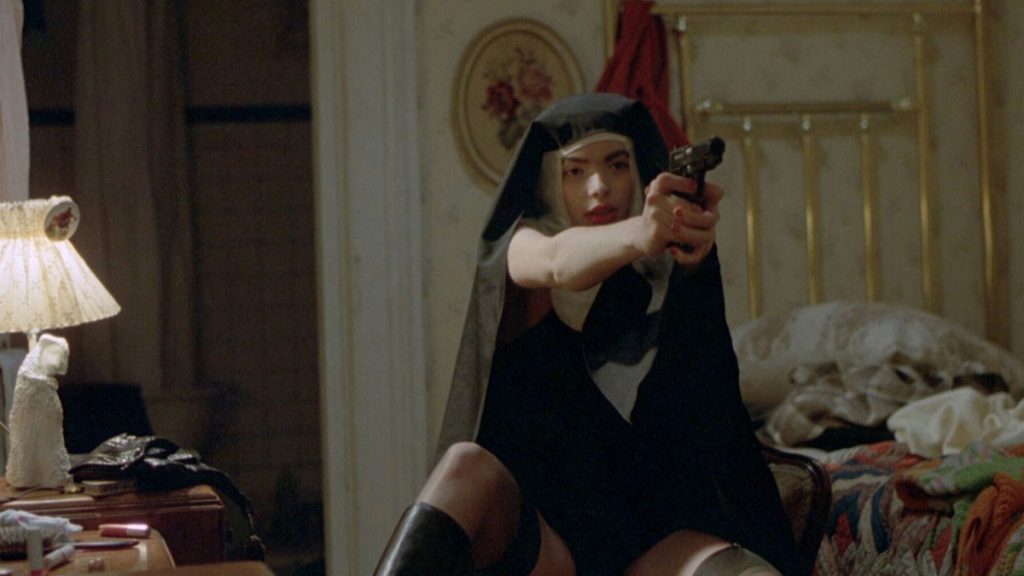
Stripped to its essentials, the story could be an especially bleak, brazenly sleazy fairy tale. Thana, a young seamstress working in Manhattan’s Garment District, is raped not once, but twice, in the space of perhaps one hour—this is the New York Taxi Driver warned you about.
This One Summer

Certain horror films have a knack for making viewers ask themselves, “Okay, what are we doing here?” and in this regard, 1983’s Sleepaway Camp is a prime example of the sometimes-edifying effectiveness of the tonal shift, which may say more about our preconceptions than what a work is really doing—and building toward—all along.